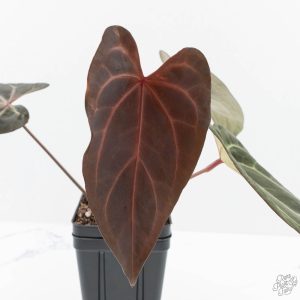
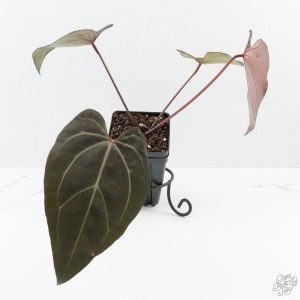
Rare Anthurium Plants for Sale – Rare, Variegated & Collector Anthuriums
If you're looking to buy rare Anthurium plants online, you've probably already discovered why these plants have become such favorites among collectors. Anthuriums offer an incredible range of leaf shapes, textures, colors, veins, and growth habits, from classic species with deeply veined foliage to unusual hybrids created from highly sought-after parent plants.
At Leaf Loom Plants, our Anthurium collection brings together rare species, collector hybrids, variegated plants, and selected DocBlock® Anthurium hybrids for growers who want something beyond the ordinary houseplant.
Whether you're searching for a particular Anthurium hybrid, adding a variegated plant to your collection, or simply looking for your next unusual foliage plant, our collection gives you plenty of varieties to explore.
Shop Rare Anthurium Plants
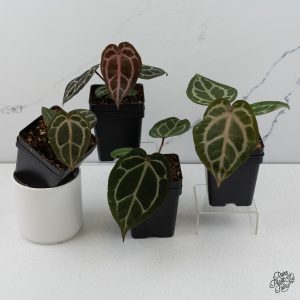
Our Anthurium collection includes a mix of species, hybrids, variegated plants, and collector selections.
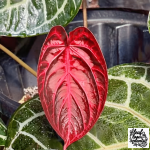
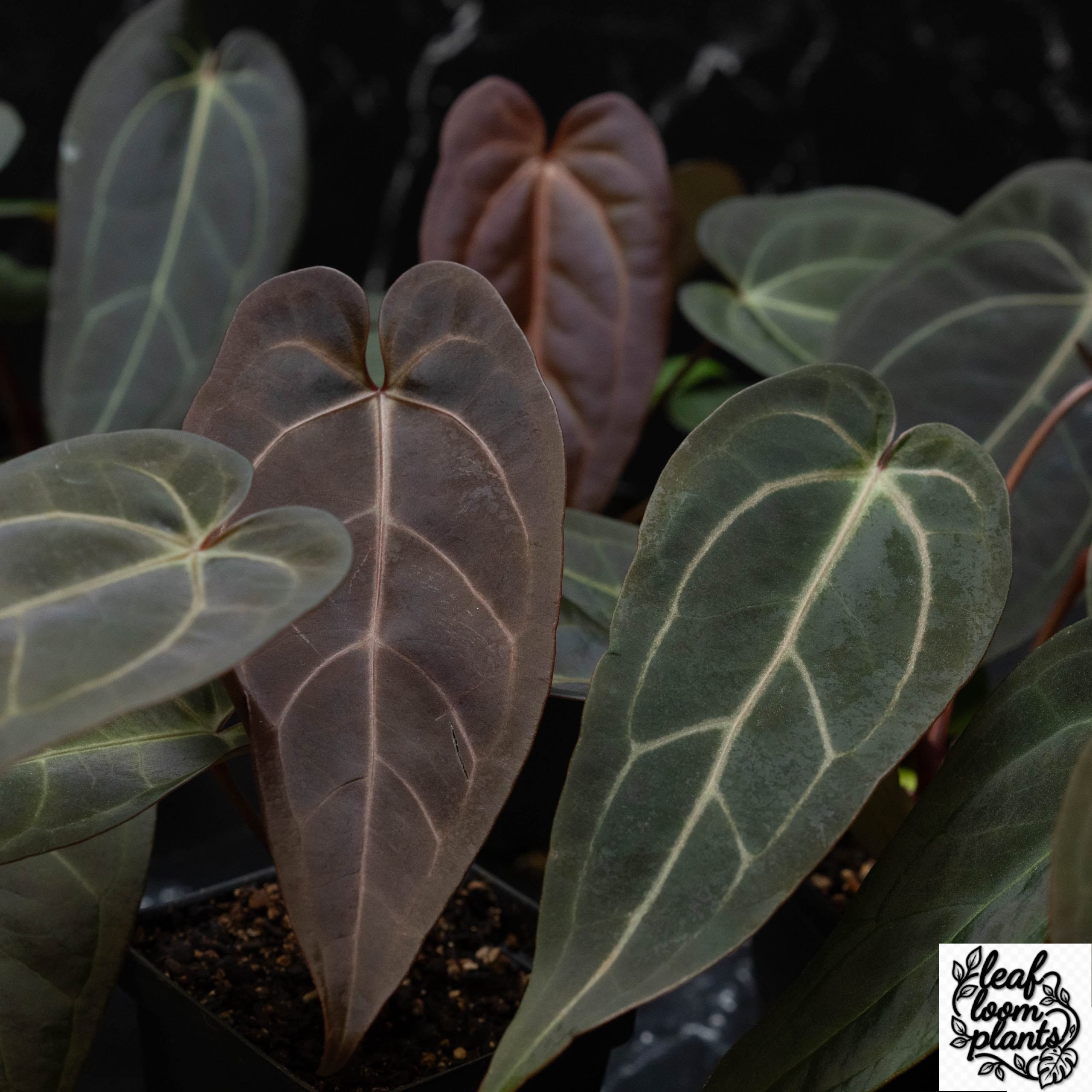
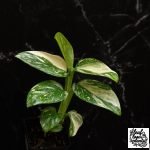
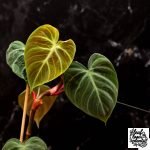
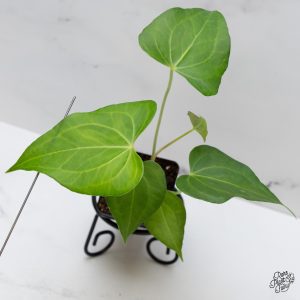
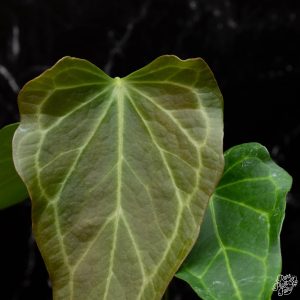
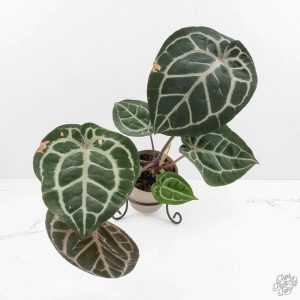
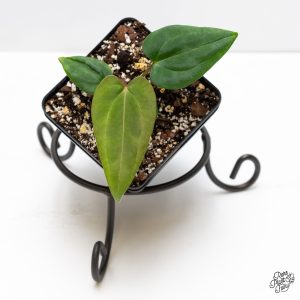
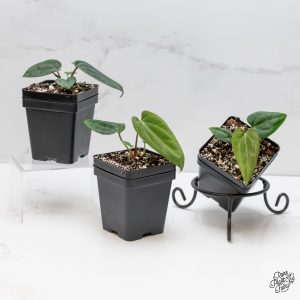
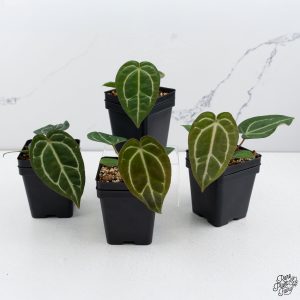
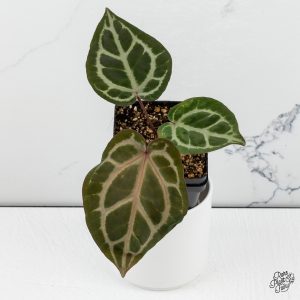
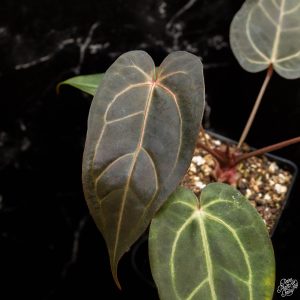
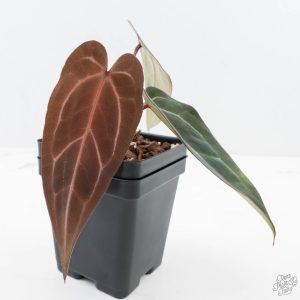
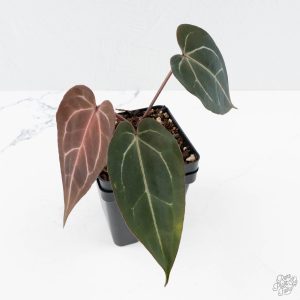
You'll find recognizable plants such as Anthurium magnificum, Anthurium crystallinum, Anthurium veitchii 'King Anthurium', and Anthurium vittarifolium variegated, alongside more unusual hybrids involving names such as Michelle, Zara, Red Velvet Cake, Dark & Handsome, and other collector selections.
One of the most interesting things about collecting Anthuriums is that every variety can bring something different to your growing space. Leaf shape, venation, texture, size, color, and parentage all contribute to what makes a particular plant interesting.Anthurium Varieties in Our Collection
For our current Anthurium collection click here
Why Collect Rare Anthurium Plants?
Anthuriums are one of those plant groups where the deeper you look, the more interesting they become.
A collector might start with a familiar species such as Anthurium magnificum or Anthurium crystallinum, then become interested in hybrids that combine characteristics from different parent plants.
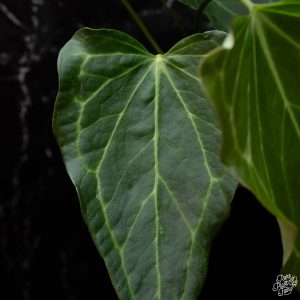
Some Anthuriums are appreciated for their broad leaves and prominent venation. Others stand out because of their elongated foliage, unusual textures, dramatic colors, or distinctive growth habits.
Then there are variegated Anthuriums.
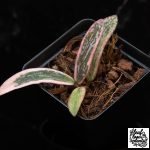
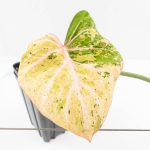
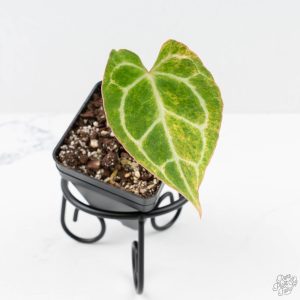
Variegation can add another layer of interest to an already unusual plant. Depending on the variety, leaves can develop areas of white, cream, yellow, or other contrasting patterns. Because variegation can differ from leaf to leaf, watching a plant produce new growth can be part of the enjoyment of collecting.
For many collectors, the appeal isn't simply owning a rare plant. It's watching that plant develop over time.
Collector Anthuriums, Hybrids and Variegated Varieties
The Anthurium collection at Leaf Loom Plants includes several different directions for collectors.
If you enjoy classic collector species, varieties such as Anthurium magnificum, Anthurium veitchii 'King Anthurium', and Anthurium vittarifolium variegated offer very different foliage characteristics.
For collectors interested in variegation, Anthurium Crystallinum Variegated and Anthurium vittarifolium Variegated provide another way to build a collection around unusual foliage patterns.
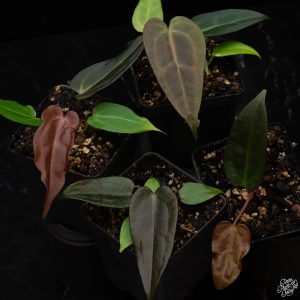
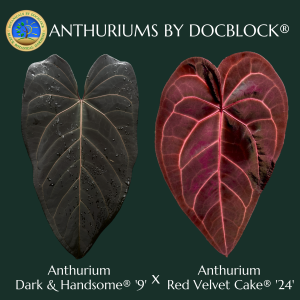
Hybrid collectors can explore crosses involving names such as Zara, Michelle, Dark & Handsome, Red Velvet Cake, Home, Sweet Home, and Carlablackiae.
These hybrids can be particularly interesting because their appearance reflects the characteristics inherited from their parent plants. Even plants from the same cross can develop somewhat differently as they mature.
Explore DocBlock® Anthurium Hybrids
For collectors specifically interested in DocBlock® Anthuriums, our collection includes several hybrids featuring DocBlock® breeding and named selections.
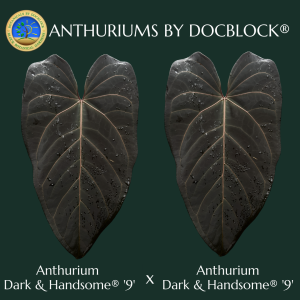
These include plants such as Anthurium ‘Michelle’ by DocBlock, Anthurium Brown Derby ’39’ x Brown Derby ’39’ by DocBlock, Anthurium Crystal Red ’12’ x Zara ’14’ DocBlock, Anthurium DocBlock Brielle ’16’ x Lynette ’18’, Anthurium DocBlock F2 x Carlablackiae, Anthurium DocBlock Lynette ’18’ x Dark & Handsome ’9’, and Anthurium DocBlock Red Velvet Cake ’24’ x Zara ’29’.
If you're specifically looking for DocBlock® genetics, you can also explore our dedicated Anthuriums by DocBlock collection.
Choosing the Right Anthurium for Your Collection
The most unusual Anthurium isn't necessarily the right plant for every grower.
Before choosing a plant, think about where you're going to grow it and how stable your conditions are.
Light is one of the first things to consider. Anthuriums generally appreciate bright, filtered or indirect light, although the exact amount can vary depending on the species or hybrid.
Humidity and temperature are also important considerations. Many collector Anthuriums perform best when they have stable warmth, suitable humidity, and good air movement rather than constantly changing conditions.
You should also think about the mature size of the plant. Some Anthuriums can develop large leaves and require considerably more space as they mature, while others are easier to accommodate in a smaller growing area.
If you're new to collector Anthuriums, choosing a plant that matches your environment can be more useful than simply choosing the rarest variety you can find.
For experienced collectors, however, unusual hybrids and variegated Anthuriums can add another level of interest to an established collection.Our Approach to Rare Anthurium Plants
Rare Anthuriums deserve more than a name and a photograph.
When purchasing an unusual plant, take the time to look at the individual product information, available photographs, plant size, and any details provided with the listing.
This is particularly important with hybrids and variegated plants because individual plants can develop differently as they mature.
If you're deciding between several Anthuriums and aren't sure which one makes sense for your growing setup, contact us. We can help you explore the collection and narrow down your options based on your available space and growing conditions.
Explore Our Anthurium Collection
Whether you're searching for a specific Anthurium hybrid or simply looking for your next collector plant, our collection gives you plenty of options to explore.
Take your time comparing leaf shape, texture, venation, variegation, hybrid parentage, and overall appearance.
You may find yourself drawn to a classic species such as Anthurium magnificum, an unusual variegated plant, a long-leafed King Anthurium, or one of the many unique hybrids in the collection.
Anthurium Care Guide
Finding a rare Anthurium is only the beginning. Providing the right growing conditions is what helps the plant establish and produce healthy new growth.
Although individual species and hybrids can have different preferences, there are several basic conditions that are useful for most collector Anthuriums.
Light
Bright, indirect or filtered light is generally a good starting point for Anthuriums.
Too little light can lead to slower growth and smaller leaves, while strong direct sunlight can damage foliage.
Variegated Anthuriums may require particularly careful light management because sections of the leaf with little or no chlorophyll contribute less to photosynthesis.
A bright location with filtered light is usually a good place to start, with adjustments based on how the individual plant responds.
Watering
Anthuriums generally appreciate consistent moisture without remaining in saturated growing media for long periods.
Allowing the root system to dry excessively can stress the plant, while prolonged waterlogged conditions can create problems with the roots.
Instead of following a fixed watering schedule, check the plant and growing medium regularly. Water requirements can change depending on temperature, humidity, light, pot size, substrate, and the stage of growth.
Humidity and Temperature
Warm and stable growing conditions are generally helpful for collector Anthuriums.
Sudden changes in temperature, humidity, or location can stress plants, particularly newly acquired specimens.
Higher humidity can be beneficial, but humidity should be balanced with good air circulation. A humid environment with stagnant air is not the same as a healthy growing environment.
Potting Mix
Anthuriums generally benefit from a loose, airy growing medium that provides both moisture retention and good drainage.
A chunky substrate can allow air to reach the roots while still holding enough moisture to support active growth.
The ideal mix depends on your environment, watering habits, container, and growing conditions, so there isn't one universal recipe that works for every grower.
Feeding
During active growth, Anthuriums can benefit from regular but appropriate nutrition.
Avoid assuming that heavier feeding will automatically produce better growth. Follow the instructions for the fertilizer you use and adjust your approach based on the plant's condition and growing environment.
Recently repotted, stressed, or unhealthy plants may need time to recover before receiving heavier feeding.
Common Anthurium Problems
Yellowing leaves, drooping, slow growth, brown edges, or damaged foliage can have several different causes.
Before changing everything at once, look at the complete growing environment.
Consider light, watering, roots, temperature, humidity, substrate, fertilizer, pests, and recent environmental changes.
An older leaf may naturally decline as the plant directs energy toward newer growth, so not every yellowing leaf indicates a serious problem.
If an issue continues, identify the underlying cause rather than simply treating the visible symptom.
For a more detailed breakdown of Anthurium growing conditions and troubleshooting, see our Complete Anthurium Care Guide.
Frequently Asked Questions About Anthurium
What Is the Rarest Anthurium?
There isn't one universally recognized rarest Anthurium.
Rarity can depend on the species or hybrid, particular clone, propagation availability, geographic availability, and collector demand.
Certain variegated Anthuriums and unusual hybrids can be particularly difficult to find, but availability can change over time.
Are Anthuriums Difficult to Care For?
Some collector Anthuriums can be more demanding than common houseplants, particularly when they are grown outside their preferred environmental conditions.
Stable temperature, suitable humidity, appropriate light, good airflow, and an airy growing medium can make a significant difference.
How Much Light Does an Anthurium Need?
Most Anthuriums appreciate bright, indirect or filtered light.
Avoid assuming that more direct sunlight is always better. Strong sunlight can damage leaves, especially if a plant has been growing under lower light and hasn't been properly acclimated.
How Often Should I Water an Anthurium?
There isn't one watering schedule that works for every Anthurium.
Check the growing medium and consider your temperature, humidity, light level, pot size, and substrate.
The goal is to provide adequate moisture while avoiding prolonged saturation or severe drying.
What Are Good Anthuriums for Collectors?
There isn't one Anthurium that every collector needs to own.
Some collectors prefer species such as Anthurium magnificum, Anthurium veitchii 'King Anthurium', or Anthurium crystallinum, while others focus on variegated plants or complex hybrids.
Our collection includes several different types, allowing you to explore different foliage shapes, textures, venation, variegation patterns, and hybrid combinations.
What Are DocBlock® Anthuriums?
DocBlock® Anthuriums are collector plants associated with the DocBlock® breeding program and named selections.
Our collection includes several DocBlock® hybrids, including crosses involving names such as Michelle, Zara, Dark & Handsome, Red Velvet Cake, Brielle, Lynette, Brown Derby, and Carlablackiae.
Build Your Anthurium Collection
Collecting Anthuriums is about more than simply finding a rare plant.
It's about discovering different leaf shapes, watching new leaves develop, comparing venation and texture, and seeing how individual hybrids change as they mature.
You might begin with a familiar species and eventually find yourself exploring unusual crosses, variegated plants, and collector selections.
That's part of what makes Anthuriums such an enjoyable group of plants to grow.
Explore our available rare-alocasia-plants for something different to add to your collection. With unique crosses, collector selections, and distinctive genetics, there are plenty of options to explore for your growing space and personal taste.
If you're unsure where to start, contact us before ordering. We're happy to help you explore the collection and find an Anthurium that makes sense for your growing conditions.