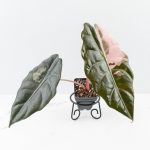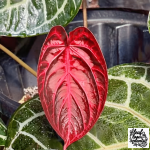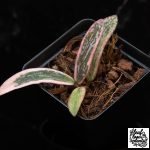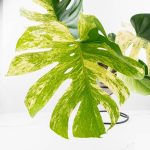
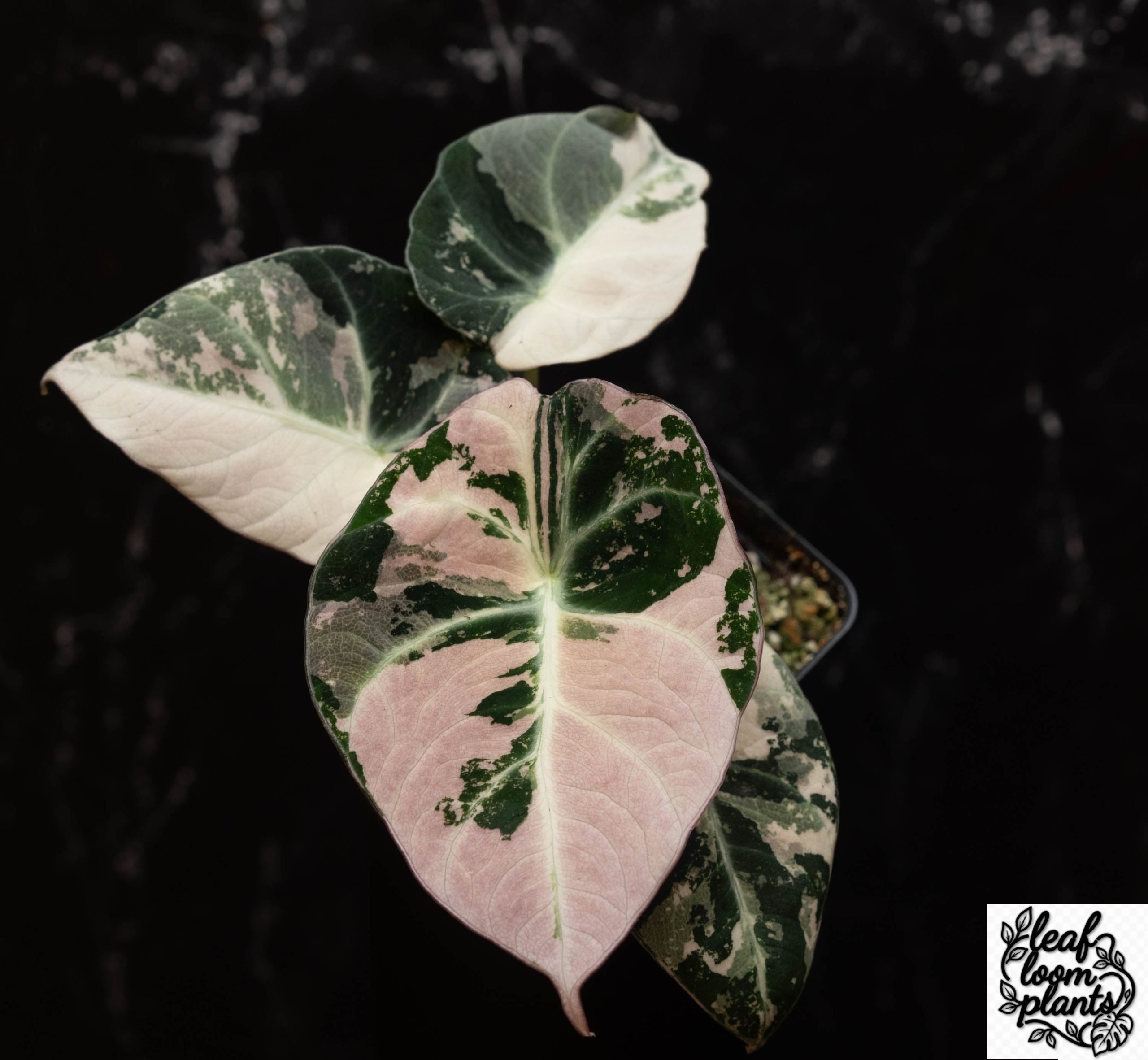
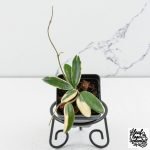
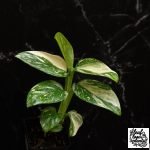
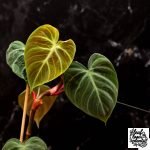
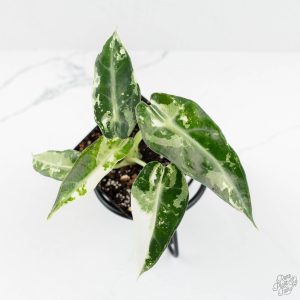
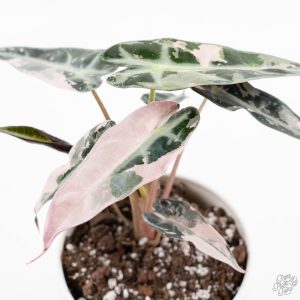
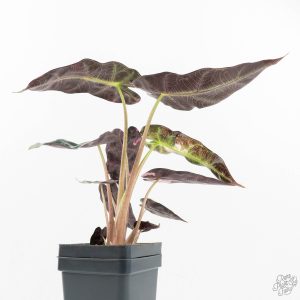
Alocasia ‘Bambino’ pink variegated *Grower’s Choice*
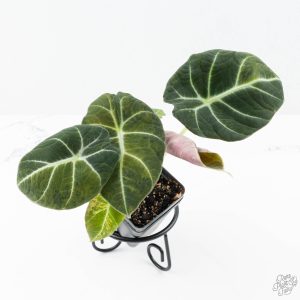
Alocasia ‘Black Velvet’ Aurea Gold variegated *Grower’s Choice*
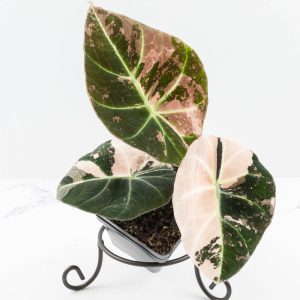
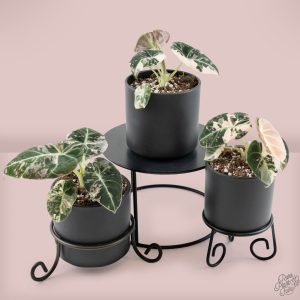
Alocasia ‘Black Velvet’ pink variegated *Grower’s Choice*
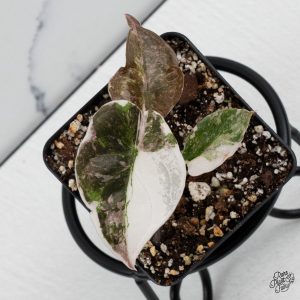
Alocasia ‘Cuprea’ Albo/Pink Variegated *Grower’s Choice*
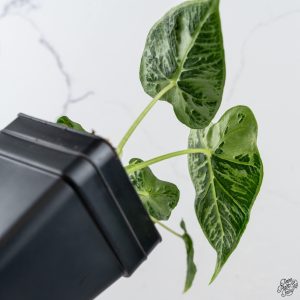
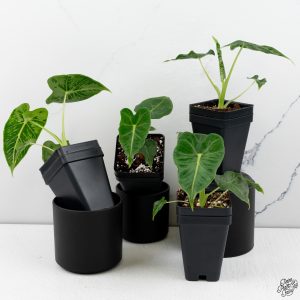
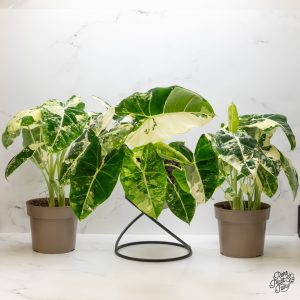
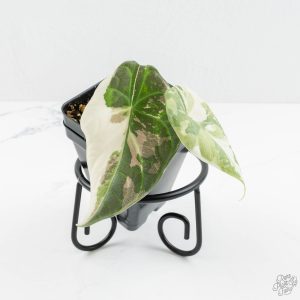
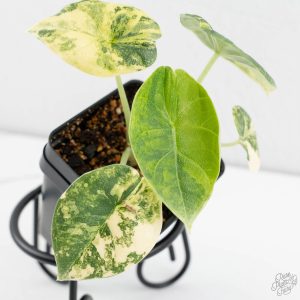
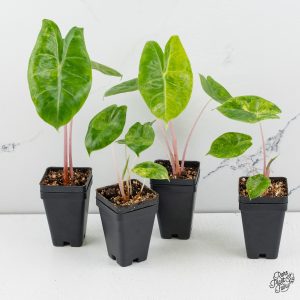
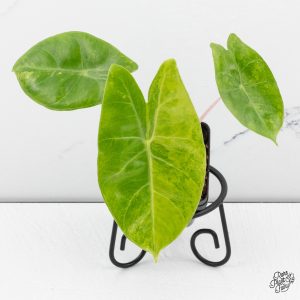
Alocasia ‘Pink Dragon’ Aurea Variegated *Grower’s Choice*
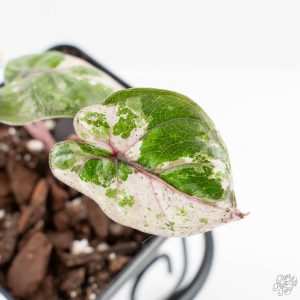
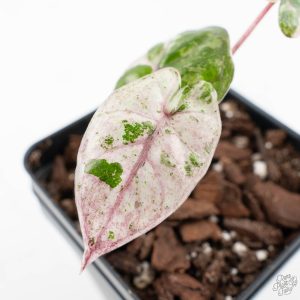
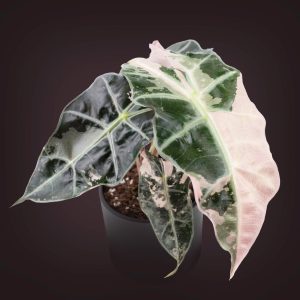
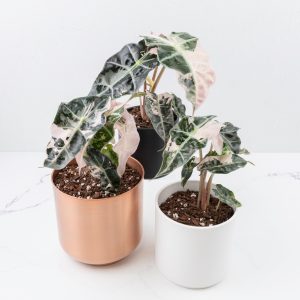
Alocasia ‘Polly Pink Snowflake’ variegated *Grower’s Choice*
Rare Alocasia Plants for Sale — Jewel Alocasias & More
If you’re looking to buy rare Alocasia online, you’ve probably already discovered that these plants are a little different from the typical houseplants you find at a garden center. Alocasias are known for their dramatic leaves, unusual colors, striking patterns, and incredible variety. Some have deep velvet foliage, others develop metallic or jewel-like surfaces, while variegated varieties can display shades of white, pink, yellow, cream, and gold.
At Leaf Loom Plants, our Alocasia collection is built around varieties that stand out. Whether you are starting your first Alocasia collection or looking for something unusual to add to an established indoor jungle, you’ll find a wide range of rare Alocasia plants for sale here.
From highly sought-after variegated forms to jewel Alocasias with dark, textured foliage, this collection gives you plenty of options to explore.
Shop Rare Alocasia Varieties
Our collection includes 28 unique Alocasia varieties, with a strong focus on variegated plants and collector favorites.
You’ll find familiar names such as Alocasia Frydek, Silver Dragon, Black Velvet, and Pink Dragon alongside less commonly encountered varieties such as Loco, Emerald Tide, Venom, Shattered Glass, and Longiloba 'Purple'.
For collectors, the fun is often in the details. Two Alocasias can have completely different personalities even though they belong to the same genus. Leaf shape, texture, color, veining, growth habit, and variegation can all make a variety worth growing.
Why Collect Rare Alocasia?
There is something addictive about Alocasias. Once you start looking closely at the different forms, it becomes easy to understand why collectors rarely stop at just one.
Some varieties are all about foliage texture. Alocasia ‘Black Velvet’ Pink Variegated , and Silver Dragon are examples of Alocasias that can bring a completely different look to a collection compared with plants with smoother, brighter foliage.
Then there are the variegated forms.
Variegation can turn an already interesting Alocasia into something completely different. Depending on the variety, leaves may display white or cream sections, pink markings, golden areas, or combinations of several colors. Because every new leaf can develop differently, watching a variegated Alocasia grow can be part of the appeal.
For collectors, that unpredictability is often part of the experience.
Jewel Alocasias and Variegated Collector Plants
One of the reasons Alocasia has become such a popular group among plant collectors is the sheer range of appearances available.
A variety such as Alocasia Black Velvet Pink Variegated brings together dark foliage and pink variegation, while Alocasia Silver Dragon Albo Variegated combines the recognizable Silver Dragon appearance with contrasting albo variegation.
If you prefer warmer tones, varieties such as Alocasia Black Velvet Aurea Gold Variegated, Alocasia Azlanii Aurea Variegated, Alocasia Melo Aurea Variegated, and Alocasia Pink Dragon Aurea Variegated offer another direction for your collection.
For pink variegation, you can explore options including Alocasia Azlanii Pink Variegated, Alocasia Bambino Pink Variegated, Alocasia Plumbea Pink Variegated, and Alocasia Polly Pink Snowflake Variegated.
And if unusual foliage is what catches your attention, Alocasia Cuprea Albo/Pink Variegated, Alocasia Shattered Glass, Alocasia Venom, and Alocasia Loco are worth exploring.
The goal isn't to find one Alocasia that everyone should own. It's to find the varieties that make you stop scrolling and think, I need that one.
Choosing the Right Alocasia for Your Collection
When choosing an Alocasia, appearance is usually the first thing that catches your eye, but it shouldn't be the only consideration.
Think about where the plant will live. Alocasias generally appreciate bright, indirect light and consistent growing conditions. A warm, stable environment can make indoor growing much easier than a location with large temperature swings.
Humidity can also be important, particularly for collectors growing more delicate or highly variegated plants. Variegated plants have less green tissue available for photosynthesis, so providing appropriate light and avoiding unnecessary stress can be especially important.
It's also worth considering how much space you have. Some Alocasias remain relatively compact, while others can eventually become substantial plants.
If you're new to Alocasia, don't feel pressured to choose the rarest plant available. A plant that fits your growing environment is often a much better starting point than one chosen purely because it is difficult to find.
For experienced collectors, however, rare variegated forms can provide an entirely different collecting experience.
Our Approach to Rare Alocasia Plants
Rare plants deserve more than a listing that simply gives you a name and a photograph.
When you're purchasing an unusual Alocasia, you want to know what you're buying and what to expect as the plant develops. Individual plants can vary considerably, especially when dealing with variegation.
Take a close look at the product information, photographs, plant size, and available details for each listing before ordering.
If you're unsure which Alocasia would be suitable for your growing conditions or you're deciding between several varieties, reach out to us. We're happy to help you narrow down your options based on your collection and growing setup.
Explore Our Rare Alocasia Collection
Whether you're searching for a specific variety or simply looking for your next collector plant, this collection is a good place to start.
Explore the available Alocasia plants for sale above and take your time comparing the different foliage types, colors, and variegation patterns.
Your next favorite plant might be a familiar collector name like Frydek or Silver Dragon—or it might be one of the unusual varieties you had never seen before.
Alocasia Care Guide
Finding a rare Alocasia is exciting, but keeping it happy is what turns a purchase into a successful addition to your collection.
Although individual varieties can have different preferences, most Alocasias appreciate a few basic conditions.
Light
Bright, indirect light is generally a good starting point for Alocasia. Variegated plants can require particularly careful light management because areas of the leaf without chlorophyll contribute less to photosynthesis.
Too little light can result in weaker growth, while intense direct sunlight through a window can cause leaf damage.
A bright location with filtered or indirect light is usually the place to start.
Watering
Alocasias generally prefer consistent moisture without sitting in constantly saturated soil.
Allowing the growing medium to dry excessively can cause stress, while keeping the roots wet for prolonged periods can create its own problems.
Rather than following a rigid watering schedule, check the plant and its growing medium regularly. Your watering frequency will change depending on temperature, humidity, light, pot size, and the type of growing medium you're using.
Humidity and Temperature
Warm, stable conditions are generally helpful for Alocasia.
Sudden environmental changes can be harder on these plants than a consistent growing environment. If you're growing a rare or highly variegated Alocasia, avoiding unnecessary stress is especially important.
Good air movement is also useful when maintaining higher humidity. The goal is not simply to create a humid environment, but to create a balanced growing environment where moisture doesn't remain trapped around the foliage and growing medium.
Potting Mix
Alocasias need a growing medium that provides both moisture and drainage.
A chunky, airy mix can help prevent the roots from remaining in stagnant, waterlogged conditions while still providing enough moisture for active growth.
The exact mix can vary depending on your environment and watering habits. What works in a warm, dry room may need adjustment in a naturally humid environment.
Feeding
During active growth, Alocasias can benefit from appropriate nutrition. However, more fertilizer isn't necessarily better.
Start with a balanced approach and follow the recommendations for the fertilizer you're using. Avoid heavily fertilizing a plant that is already stressed, recently repotted, or struggling with root problems.
Common Alocasia Problems
Yellow leaves, drooping, slow growth, and damaged foliage can have several possible causes.
Before immediately changing everything about your care routine, look at the complete picture: light, watering, roots, temperature, humidity, potting mix, and recent environmental changes.
One damaged or aging leaf doesn't necessarily mean something is seriously wrong with your plant. Alocasias naturally replace older foliage, and individual leaves can also respond to changes in their growing environment.
If problems continue, it's worth investigating the cause rather than treating the visible symptom alone.
For a deeper look at Alocasia growing conditions and troubleshooting, see our Complete Alocasia Care Guide.
Frequently Asked Questions About Alocasia
What Is the Rarest Alocasia?
There isn't one universally recognized "rarest" Alocasia. Rarity can depend on the particular clone, availability, propagation, location, and demand among collectors.
Variegated forms of popular Alocasias can be particularly sought after because their appearance and availability can vary significantly.
Are Alocasia Plants Difficult to Care For?
Alocasias can be more demanding than some common houseplants, particularly when their growing conditions change frequently.
The key is consistency. Providing suitable light, appropriate watering, warmth, and a well-draining growing medium can make them much easier to manage.
How Much Light Does Alocasia Need?
Alocasias generally do well in bright, indirect light. Variegated varieties may need particularly good lighting because portions of their leaves contain less chlorophyll.
Avoid assuming that more direct sunlight is always better. Strong direct sun can damage foliage, especially when a plant hasn't been acclimated to it.
How Often Should I Water an Alocasia?
There isn't one watering schedule that works for every Alocasia.
Check the growing medium and consider the plant's environment before watering. Temperature, humidity, light level, pot size, and substrate all affect how quickly a plant uses water.
The goal is to avoid both prolonged saturation and severe drying.
Which Alocasia Varieties Are Good for Collectors?
That depends on what you enjoy collecting.
Some collectors focus on dark, textured foliage such as Black Velvet, Melo, or Silver Dragon. Others prefer unusual forms or highly variegated plants.
Our collection includes both familiar collector favorites and less common varieties, giving you plenty of directions to take your collection.
Build Your Alocasia Collection
Rare Alocasia collecting is as much about discovering new plants as it is about growing them.
You may start with one variety because you love its foliage, then discover another with a completely different texture or variegation pattern. Before long, you're comparing leaf shapes, watching new leaves unfurl, and waiting to see exactly how the next flush of growth develops.
That's part of what makes Alocasia such an enjoyable group of plants to collect.
Explore our available rare Alocasia plants for sale and find something that fits your collection, growing space, and personal taste.
And if you're not sure where to start, contact us before ordering. We can help you explore the collection and choose an Alocasia that makes sense for your growing conditions.