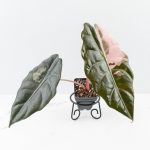
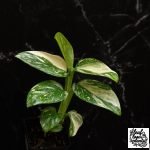
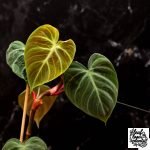
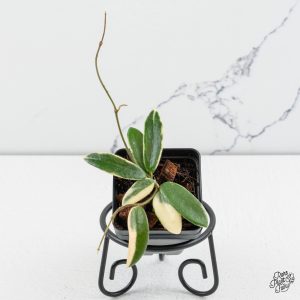
Hoya ‘Lyi prism’ Pink Flower *Grower’s Choice*
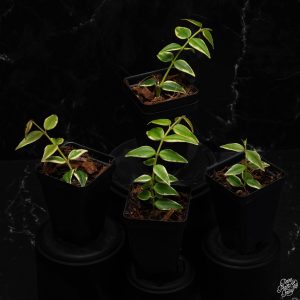
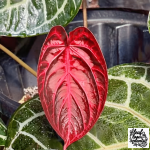
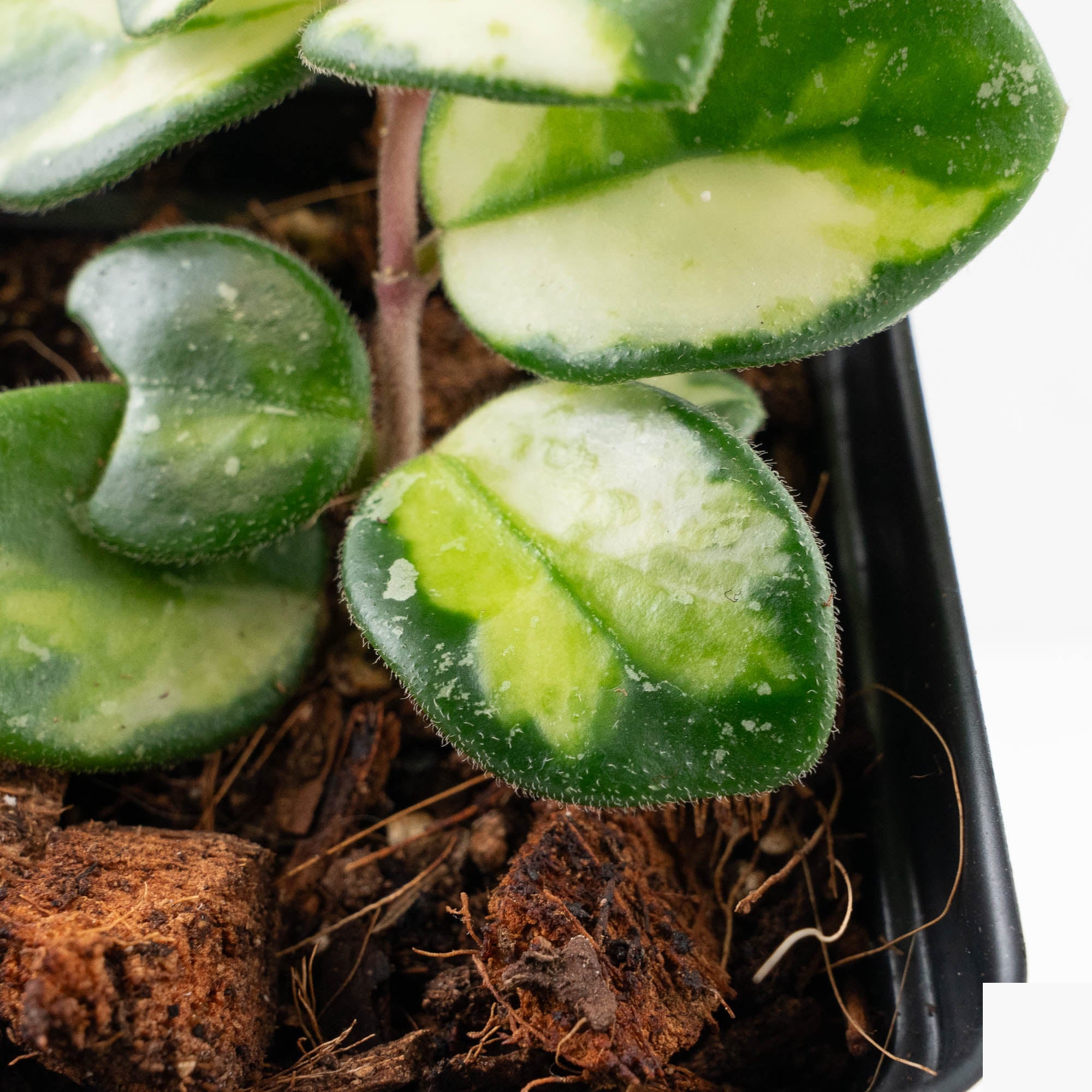
Hoya bella outer variegated *Grower’s Choice*
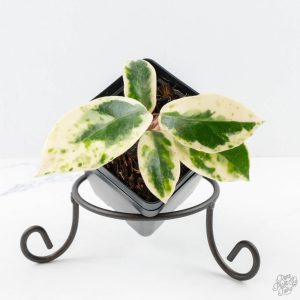
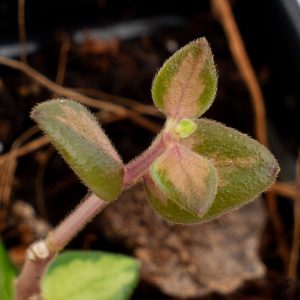
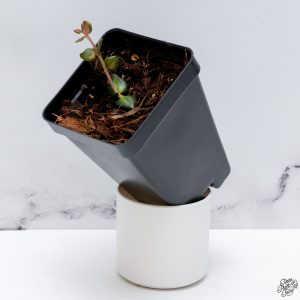
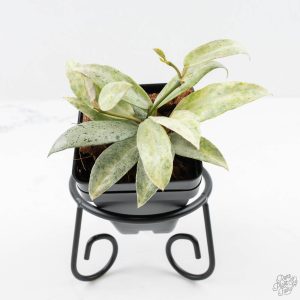
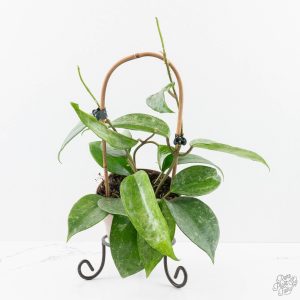

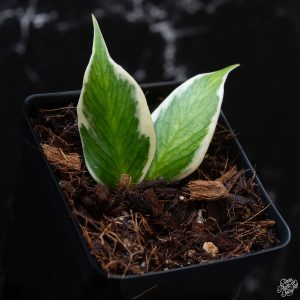
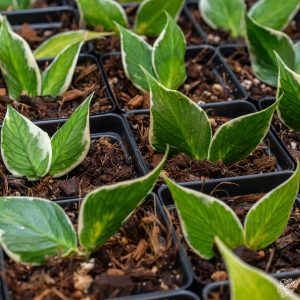
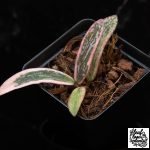
Hoya polyneura albomarginata outer variegated *Grower’s Choice*
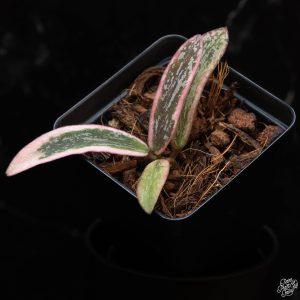
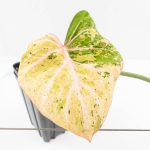
Hoya sigillatis outer variegated *Grower’s Choice*
Rare Hoya Plants for Sale – Variegated & Collector Wax Plants
If you're looking to buy rare Hoya plants online, you're in the right place. Hoyas are loved by plant collectors for their unusual foliage, trailing growth, fragrant flowers, and incredible variety.
Often called wax plants, Hoyas come in many different forms. Some are known for thick, succulent-like leaves, while others have long, narrow foliage, silver markings, splashes of variegation, or delicate trailing stems.
At Leaf Loom Plants, our Hoya collection is aimed at growers who want something more unusual than a standard houseplant. Whether you're searching for a variegated Hoya, an unusual species, a collector variety, or a flowering plant to add to your collection, there are plenty of interesting Hoyas to explore.
Shop Rare Hoya Plants
Hoyas can look remarkably different from one another, even though they belong to the same plant genus.
Some varieties are compact and easy to display on a shelf, while others develop long trailing or climbing stems that look beautiful hanging from a basket or trained around a support.
You'll also find Hoyas with thick leaves, narrow leaves, splash patterns, silver markings, unusual textures, and variegated foliage.
When choosing a Hoya, don't just look at the name. Think about the characteristics you enjoy most and how the plant will fit into your growing space.
Why Collect Rare Hoya Plants?
One of the most enjoyable things about collecting Hoyas is the sheer amount of variety available.
Two Hoyas can have completely different leaves, growth habits, and flowers. Some have large, thick foliage, while others produce small leaves along delicate trailing stems.
Then there are the flowers.
Hoya blooms are often made up of clusters of small, star-shaped flowers and can be surprisingly fragrant. Depending on the species or cultivar, flowers may appear in different colors, shapes, and sizes.
For many collectors, this combination of interesting foliage and unusual flowers is what makes Hoyas so addictive to grow.
A plant that looks fairly ordinary while young can become much more impressive once it matures and begins producing regular new growth and flowers.
Variegated Hoya and Collector Varieties
Variegation is one of the biggest attractions for many Hoya collectors.
Depending on the variety, variegated foliage can include cream, white, yellow, or other contrasting areas against green leaves.
Some Hoyas are appreciated for dramatic variegation, while others are collected for subtle patterns, silver splash, unusual venation, or naturally distinctive foliage.
Keep in mind that variegation can vary between individual plants. New leaves may develop different patterns or amounts of variegation as the plant grows.
This is part of what makes collecting variegated Hoyas interesting. You aren't always simply buying a finished appearance—you're watching the plant develop over time.
Flowering Hoya Plants and Unique Leaf Forms
Hoyas aren't only about variegation.
Many collectors choose their plants because of their flowers, foliage, or growth habit.
Some Hoyas develop long trailing stems that are perfect for hanging baskets. Others are better suited to climbing supports, where their vines can be trained vertically.
Leaf shape also varies considerably. Depending on the species or cultivar, you may find thick rounded leaves, long narrow foliage, heart-shaped leaves, textured surfaces, or leaves marked with silver and other patterns.
If flowers are important to you, remember that flowering usually depends on the plant reaching sufficient maturity and receiving suitable growing conditions.
Choosing the Right Hoya for Your Collection
The most unusual Hoya isn't necessarily the best choice for every growing environment.
Before choosing a plant, think about where you'll grow it and how much space you have available.
Light is particularly important. Hoyas generally appreciate bright light, but the exact amount can vary depending on the species and growing conditions.
You should also consider the plant's growth habit.
A trailing Hoya may be ideal for a hanging basket or shelf, while a vigorous climbing variety may need a trellis, hoop, or other support.
If you're new to Hoyas, choosing a variety that fits your available space and growing conditions can make the experience much easier.
Experienced collectors can then explore more unusual species, variegated plants, and flowering varieties as their collection grows.
Our Approach to Rare Hoya Plants
Collector plants deserve more than a name and a photograph.
Individual Hoyas can vary in size, maturity, growth habit, and appearance. This is particularly important when purchasing unusual species, variegated plants, or young specimens.
Before ordering, take a close look at the individual product listing and available photographs. Pay attention to the current plant size, foliage, growth, and any other information provided.
If you're choosing between several Hoyas and aren't sure which one fits your growing environment, contact us. We can help you explore the available plants and find a variety that makes sense for your space.
Explore Our Hoya Collection
Building a Hoya collection doesn't have to follow a particular formula.
You might begin with one plant because you like its foliage and eventually discover that you enjoy collecting plants with different leaf shapes, splash patterns, variegation, flowers, or growth habits.
Some collectors focus heavily on foliage, while others are fascinated by flowers and fragrance.
Others simply enjoy watching vines grow and training them around supports.
Take your time comparing the available Hoyas and look for characteristics that genuinely interest you.
Hoya Care Guide
Finding a rare Hoya is only the beginning. Providing the right growing conditions helps the plant establish, produce healthy growth, and eventually reach flowering maturity.
Although different Hoya species can have different preferences, several basic care principles are useful for most collector Hoyas.
Light
Bright light is generally helpful for healthy Hoya growth.
Many Hoyas can tolerate some direct sunlight, particularly when gradually acclimated, but strong afternoon sun can scorch leaves in some growing environments.
Variegated Hoyas may require particularly careful placement because areas with little or no chlorophyll contribute less to photosynthesis.
A bright location with filtered light is a good starting point. Adjust the plant's position according to its response and your local conditions.
Watering
Hoyas generally prefer to dry somewhat between waterings rather than remaining constantly wet.
Their thick leaves and, in many cases, somewhat succulent growth allow them to tolerate periods of reduced moisture better than plants that require consistently wet soil.
However, this doesn't mean Hoyas should be left severely dry for long periods.
Check the growing medium and consider temperature, humidity, pot size, substrate, and the plant's growth stage before watering.
Humidity and Temperature
Warm conditions and reasonable humidity can support healthy Hoya growth.
Many Hoyas appreciate higher humidity, especially while producing new growth, but high humidity should always be balanced with good airflow.
Avoid placing the plant in an environment with stagnant air or extreme temperature fluctuations.
Recently acquired plants can also benefit from gradual acclimation when moving between significantly different growing environments.
Potting Mix
Hoyas generally benefit from an airy growing medium that drains well while retaining enough moisture to support the roots.
A chunky, well-aerated substrate can work well for many growers.
The best mix depends on your environment, watering habits, container, humidity, and the particular Hoya you're growing.
There isn't one universal Hoya mix that works perfectly for everyone.
Trellising and Trailing Growth
Many Hoyas naturally produce long vines and can either trail or climb.
A hanging basket can be a good choice for trailing varieties, while a trellis, hoop, or other support can be useful for climbing plants.
Providing support can also make it easier to manage vigorous growth and display the plant as it matures.
Try to give the plant enough room to develop rather than constantly cutting back healthy vines simply to keep the plant small.
Feeding
During active growth, Hoyas can benefit from regular but appropriate nutrition.
Follow the instructions for the fertilizer you're using and avoid assuming that heavier feeding will automatically produce better growth.
Recently repotted, stressed, or unhealthy plants may need time to settle before receiving heavier feeding.
Common Hoya Problems
Yellowing leaves, dropped leaves, slow growth, brown edges, or a lack of flowers can have several different causes.
Before changing everything at once, look at the complete growing environment.
Consider light, watering, roots, temperature, humidity, substrate, fertilizer, pests, and recent environmental changes.
If a Hoya isn't flowering, remember that young plants may simply need more time to mature. Growing conditions can also influence flowering.
If a problem continues, focus on identifying the underlying cause rather than simply treating the visible symptom.
Frequently Asked Questions About Hoya
What Is the Rarest Hoya?
There isn't one universally recognized rarest Hoya.
Rarity can depend on the species, cultivar, clone, propagation availability, geographic availability, and collector demand.
Some unusual species and variegated selections can be difficult to find at certain times, but availability changes as plants are propagated and become more widely distributed.
Are Hoyas Easy to Grow?
Many Hoyas can be relatively forgiving once their basic growing requirements are understood.
However, individual species can behave very differently. Some prefer more moisture, others appreciate drying more between waterings, and growth rates can vary considerably.
Choosing a Hoya that matches your growing conditions is often more important than simply choosing a popular variety.
How Much Light Does a Hoya Need?
Most Hoyas appreciate bright light.
Some can tolerate or benefit from several hours of gentle direct sunlight, while others may need protection from strong afternoon exposure.
Variegated Hoyas can require careful light management because heavily variegated foliage contains less chlorophyll.
How Often Should I Water a Hoya?
There isn't one watering schedule that works for every Hoya.
Check the growing medium and consider your temperature, humidity, light level, pot size, and substrate.
Allowing the plant to dry somewhat between waterings can be useful, but avoid allowing the root system to remain severely dry for extended periods.
Why Are Hoyas So Popular?
Hoyas combine several characteristics that appeal to collectors.
They can have unusual foliage, attractive trailing or climbing growth, interesting variegation, and distinctive flowers that are often fragrant.
Their diversity also means that collecting one Hoya can quickly turn into an interest in many different species and cultivars.
Build Your Hoya Collection
Collecting Hoyas is about much more than simply finding a rare plant.
It's about discovering different leaf shapes, watching vines develop, learning how individual species grow, and eventually seeing plants produce their distinctive flowers.
You might start with a single Hoya because you like its foliage and eventually find yourself exploring variegated plants, unusual species, silver-splash varieties, or flowering collectors' plants.
If you're interested in adding another type of collector foliage plant to your growing space, you can also explore our rare Philodendron plants for another selection of unusual tropical plants.
Take a look through our available Hoya collection and find a plant that fits your growing space, collection, and personal taste.