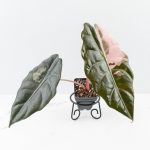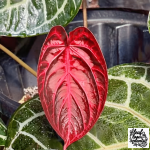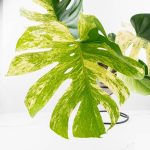
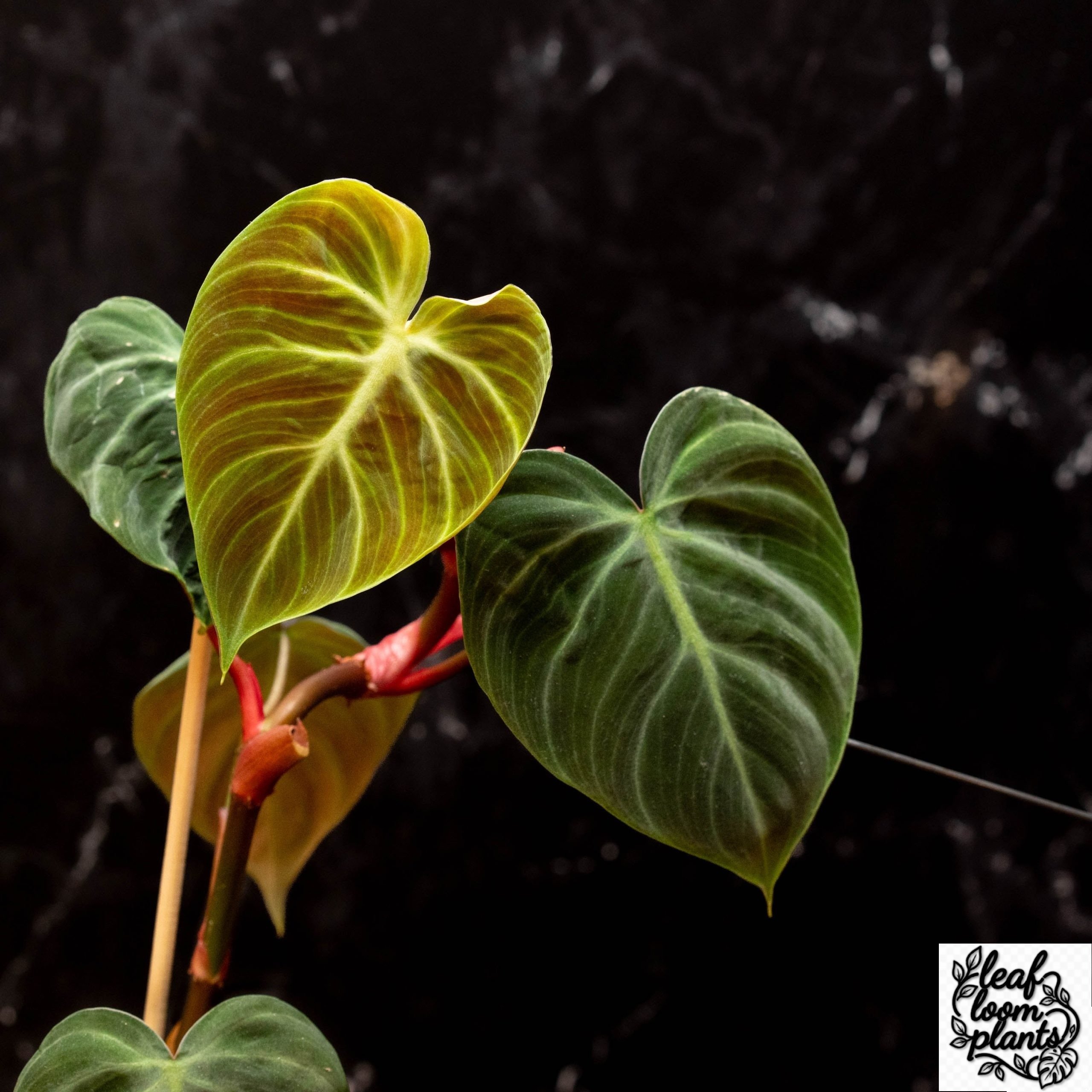
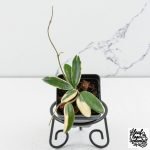
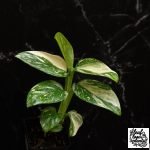
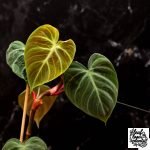
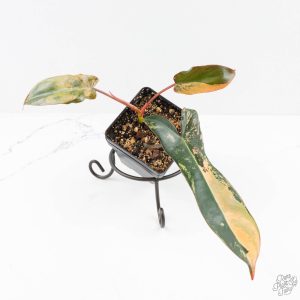

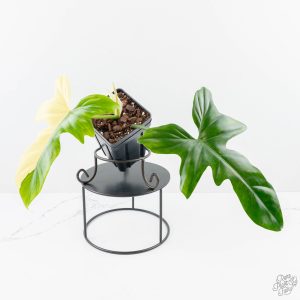
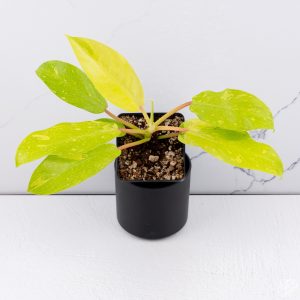
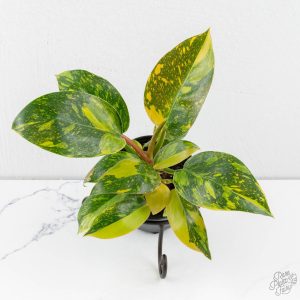
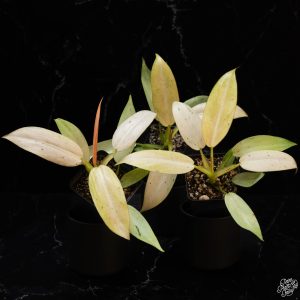
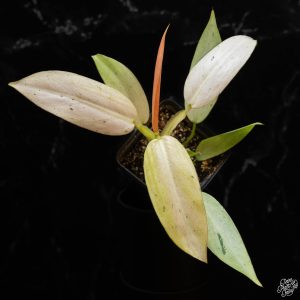
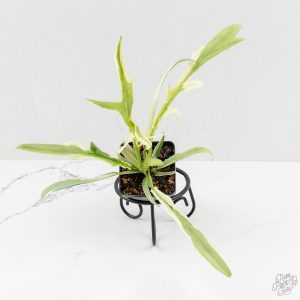
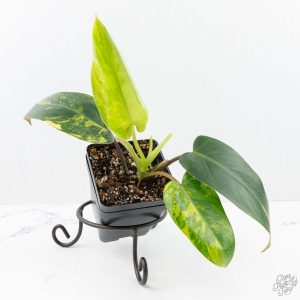
Philodendron ‘Green Congo Nuclear variegated *Grower’s Choice*
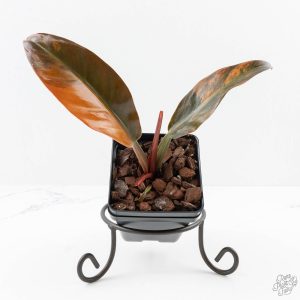
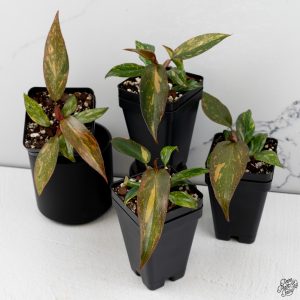
Philodendron ‘Orange Princess’ *Grower’s Choice*
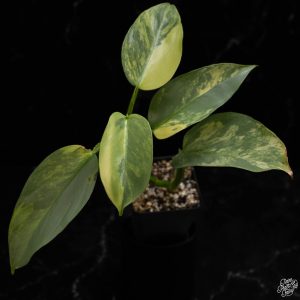
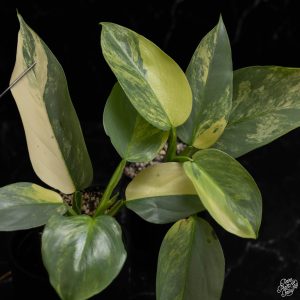
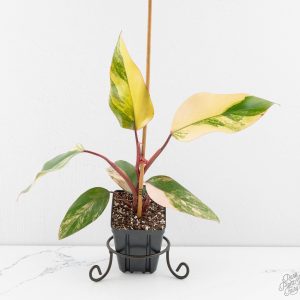
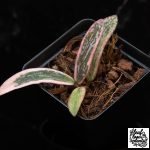
Philodendron ‘Strawberry Shake’ *Grower’s Choice*
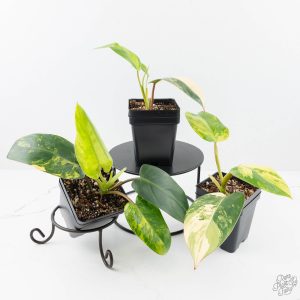
Rare Philodendron Plants for Sale – Variegated & Collector Varieties
If you're looking to buy rare Philodendron plants online, you're in the right place. Philodendrons are one of the most diverse groups of tropical foliage plants, with an incredible range of leaf shapes, textures, colors, growth habits, and variegation patterns.
At Leaf Loom Plants, our Philodendron collection includes variegated cultivars, unusual hybrids, velvet-leaf varieties, climbing plants, self-heading forms, and collector selections for growers looking for something beyond the ordinary houseplant.
Whether you're searching for a variegated Philodendron, a rare velvet-leaf species, an unusual hybrid, or a distinctive plant to add to an established collection, explore the available varieties below.
Shop Rare Philodendron Plants
Our Philodendron collection includes a mixture of rare cultivars, variegated plants, hybrids, and unusual species.
You'll find well-known collector plants alongside less common selections, including Philodendron gloriosum, Philodendron melanochrysum, Philodendron verrucosum, Philodendron joepii, Philodendron mamei, and several distinctive variegated cultivars.
One of the most interesting things about collecting Philodendrons is how different they can look from one another. Leaf shape, texture, venation, growth habit, mature size, and variegation can all make each plant unique.
Why Collect Rare Philodendron Plants?
Philodendrons offer something for almost every type of plant collector.
Some growers are drawn to large, velvety leaves and prominent venation. Others prefer unusual leaf shapes, climbing growth, compact forms, or colorful new foliage.
Variegated Philodendrons add another layer of interest. Depending on the cultivar, variegation may appear in shades of white, cream, yellow, pink, mint, or other contrasting patterns.
Part of the enjoyment of collecting these plants is watching them change over time. New leaves can look very different from older foliage, and mature plants often develop characteristics that aren't obvious when they are young.
For collectors, the experience isn't simply about owning a rare plant. It's about watching that plant grow and seeing what the next leaf brings.
Variegated Philodendron and Collector Varieties
Variegation is one of the biggest attractions for many Philodendron collectors, and our collection includes several different types to explore.
You'll find Albo, Aurea, marble, mint, pink, and other variegated selections across different Philodendron groups.
Plants such as Philodendron ‘Golden Dragon’ Variegated, Philodendron ‘Strawberry Shake’, Philodendron ‘Whipple Way’, Philodendron ‘Silver Sword’ Variegated, and Philodendron White Princess Aurea Variegated each bring a different appearance to a collection.
Variegation can also vary from one individual plant to another. New leaves may develop different amounts and patterns of color as the plant matures, which is part of what makes variegated Philodendrons so interesting to grow.
Velvet-Leaf Philodendrons and Unusual Species
Not every collector is interested in variegation.
Velvet-leaf Philodendrons are popular for an entirely different reason. Their foliage can have a soft texture, strong venation, and dramatic depth that becomes more noticeable as the plant matures.
Our collection includes plants such as Philodendron melanochrysum Variegated, Philodendron verrucosum Variegated, Philodendron gloriosum ‘Snow Leopard’ Variegated, Philodendron mamei Albo Variegated, and Philodendron sp. ‘El Choco Red’.
There are also unusual species and hybrids such as Philodendron sharoniae, Philodendron joepii Variegated, and Philodendron verrucosum x serpens.
These plants give collectors an opportunity to build a collection around foliage characteristics rather than simply focusing on variegation.
Choosing the Right Philodendron for Your Collection
The most unusual Philodendron isn't necessarily the best fit for every growing environment.
Before choosing a plant, consider where you plan to grow it and how much space you have available.
Light is one of the first things to think about. Philodendrons generally appreciate bright, filtered or indirect light, although the ideal amount can vary between species and cultivars.
Variegated plants may need particularly careful light management because areas with little or no chlorophyll contribute less to photosynthesis.
You should also consider the plant's growth habit. Climbing Philodendrons may eventually need a moss pole, plank, or other support, while self-heading varieties can have a very different space requirement.
If you're new to collector Philodendrons, choosing a variety that fits your environment can be more useful than simply choosing the rarest plant available.
Our Approach to Rare Philodendron Plants
Collector plants deserve more than a name and a photograph.
Individual Philodendrons can differ in size, maturity, leaf development, and variegation, especially when you're dealing with unusual cultivars and variegated selections.
Before ordering, take the time to look through the individual product listing and available photographs. Pay attention to the current plant size, growth, variegation, and other details provided on the product page.
If you're deciding between several Philodendrons and aren't sure which one fits your growing conditions, contact us. We can help you explore the available plants and find a variety that makes sense for your space and experience.
Explore Our Philodendron Collection
Whether you're searching for a specific cultivar or simply looking for your next collector plant, there are plenty of different Philodendrons to explore.
You might be attracted to the velvety foliage of a Philodendron gloriosum or melanochrysum, the unusual texture of a verrucosum, the elongated foliage of a Silver Sword, or the colorful variegation of a Strawberry Shake or White Princess Aurea.
There is no single way to build a Philodendron collection.
Some collectors focus on variegation. Others prefer unusual species, velvet leaves, hybrids, climbing varieties, or plants with distinctive new growth.
Choose the characteristics that you enjoy most and build your collection from there.
Philodendron Care Guide
Finding an unusual Philodendron is only the beginning. Providing the right growing environment is what helps the plant establish and produce healthy new growth.
Individual species and cultivars can have different preferences, but several basic care principles are useful for most Philodendrons.
Light
Bright, filtered or indirect light is generally a good starting point for Philodendrons.
Too little light can result in slower growth and smaller leaves, while strong direct sunlight can scorch foliage.
Variegated Philodendrons may require especially careful light management because heavily variegated portions of the leaves contain less chlorophyll.
A bright location with filtered light is usually a good place to start. Adjust the plant's position based on how it responds.
Watering
Philodendrons generally appreciate consistent moisture without remaining in saturated growing media for extended periods.
Allowing the roots to become extremely dry can stress the plant, while constantly wet conditions can contribute to root problems.
Instead of following a strict watering schedule, check the growing medium regularly. Watering needs can change with temperature, humidity, light, pot size, substrate, and the plant's stage of growth.
Humidity and Temperature
Warm and relatively stable conditions are generally helpful for Philodendrons.
Many collector varieties appreciate moderate to higher humidity, particularly while producing new leaves.
Good air movement is also important. High humidity combined with stagnant air can create a very different environment from one with humidity and consistent airflow.
Try to avoid sudden changes in temperature or repeatedly moving the plant between very different environments.
Potting Mix
Philodendrons generally benefit from a loose, airy growing medium that provides both moisture retention and good drainage.
A chunky substrate can help maintain moisture while allowing air to reach the root system.
The ideal mix depends on your environment, watering habits, container, and humidity, so there isn't one universal recipe that works perfectly for every grower.
Support and Climbing
Many Philodendrons are natural climbers.
Providing a suitable support such as a moss pole, plank, or other structure can encourage climbing growth and help some varieties develop larger, more mature foliage.
Before choosing a climbing Philodendron, consider whether you have enough vertical space to support its growth over time.
Feeding
During active growth, Philodendrons can benefit from regular and appropriate nutrition.
Follow the instructions for the fertilizer you use rather than assuming heavier feeding will automatically produce better growth.
Recently repotted, stressed, or unhealthy plants may need time to settle before receiving heavier feeding.
Common Philodendron Problems
Yellowing leaves, brown edges, slow growth, damaged foliage, or changes in leaf size can have several different causes.
Before changing everything at once, look at the complete growing environment.
Consider light, watering, roots, temperature, humidity, substrate, fertilizer, pests, and recent environmental changes.
With variegated plants, also remember that heavily variegated foliage naturally has less green tissue available for photosynthesis.
If a problem continues, focus on identifying the underlying cause rather than simply treating the visible symptom.
Frequently Asked Questions About Philodendron
What Is the Rarest Philodendron?
There isn't one universally recognized rarest Philodendron.
Rarity can depend on the species, cultivar, clone, propagation availability, geographic availability, and collector demand.
Certain variegated cultivars, unusual hybrids, and less commonly propagated species can be difficult to find, but availability changes over time.
Are Rare Philodendron Plants Difficult to Grow?
Some collector Philodendrons can be more demanding than common houseplants, particularly when grown outside their preferred conditions.
Stable temperatures, appropriate light, suitable humidity, good airflow, and an airy growing medium can all help.
The specific needs of a plant can also depend on whether it is a climbing, crawling, or self-heading variety.
How Much Light Does a Philodendron Need?
Most Philodendrons appreciate bright, indirect or filtered light.
Strong direct sunlight can damage foliage, especially when a plant has been growing in lower light and has not been properly acclimated.
Variegated Philodendrons may require particularly careful placement to balance healthy growth with the needs of their less-green foliage.
How Often Should I Water a Philodendron?
There isn't one watering schedule that works for every Philodendron.
Check the growing medium and consider your temperature, humidity, light level, pot size, and substrate.
The goal is to provide enough moisture for healthy growth without keeping the roots constantly saturated or allowing the plant to become severely dry.
What Are Good Philodendrons for Collectors?
Collectors have very different preferences.
Some prefer variegated cultivars such as Strawberry Shake, Whipple Way, or White Princess Aurea, while others are drawn to velvet-leaf varieties such as gloriosum, melanochrysum, or verrucosum.
Our collection includes several different growth habits, foliage types, and variegation patterns, allowing you to choose based on what interests you most.
What Makes a Philodendron Variegated?
Variegation occurs when parts of the plant contain less chlorophyll, creating contrasting areas of green and lighter coloration.
The amount and pattern of variegation can vary between individual plants and cultivars. New leaves may also develop different patterns as the plant grows.
Build Your Philodendron Collection
Collecting Philodendrons is about more than simply finding a plant with an unusual name.
It's about watching new leaves develop, seeing mature foliage take shape, comparing textures and venation, and discovering how individual cultivars change over time.
You might begin with one variegated Philodendron and eventually become interested in velvet-leaf species, unusual hybrids, climbing plants, or cultivars with completely different foliage.
If you're interested in exploring another group of collector aroids, you can also discover our rare Anthurium plants and compare another selection of unusual tropical foliage plants.
Explore the available Philodendrons and find a variety that fits your collection, growing space, and personal taste.