Blog
The Best Soil Mix for Aroids: Components and Recipes

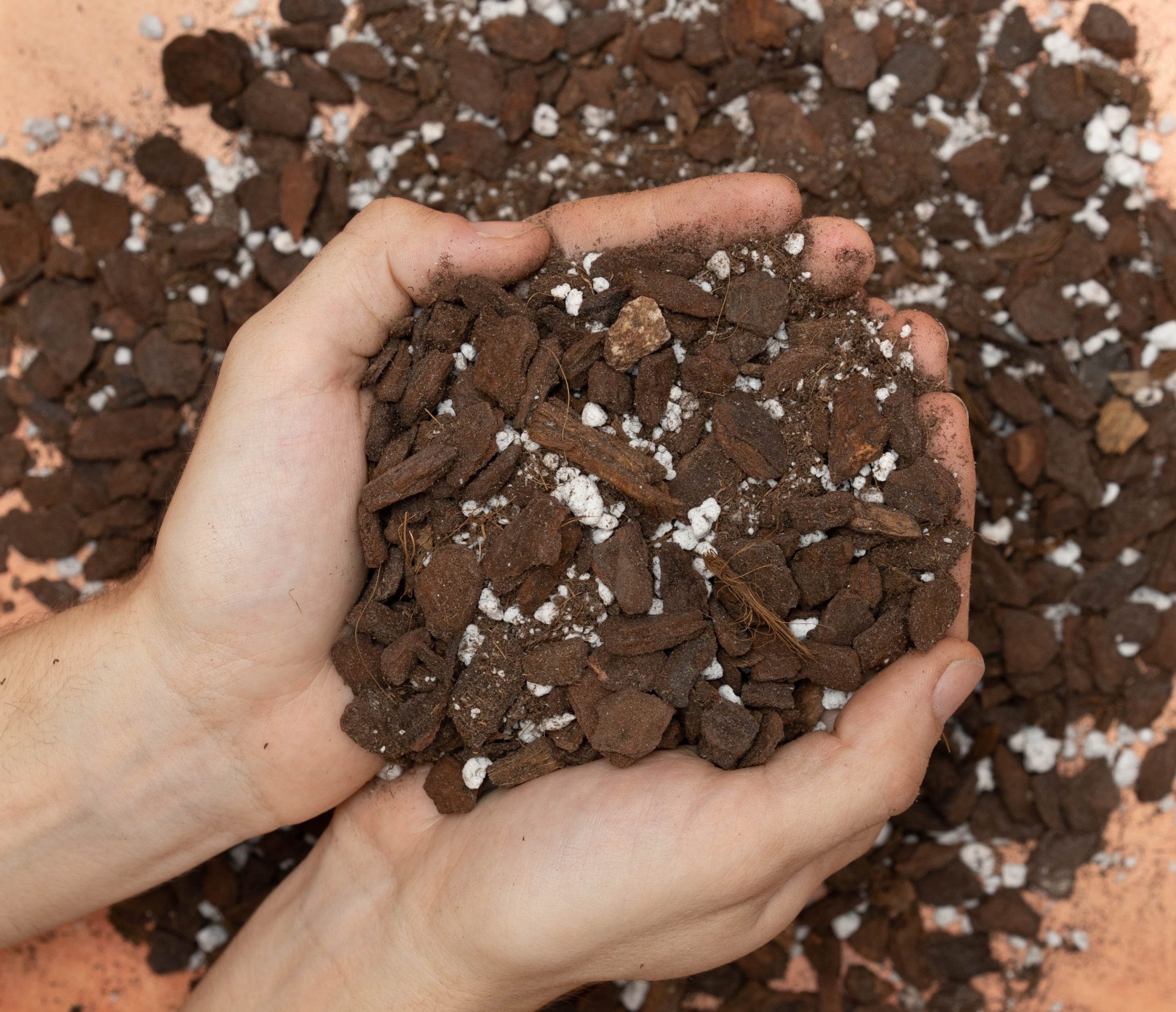
The best aroid soil mix is not really soil at all. It is a loose, chunky blend of bark, perlite and moisture-holding fibers that lets roots breathe and drink in equal measure. Get it right and your Monstera, Philodendron, Anthurium and Alocasia put out bigger leaves, stronger roots and fewer problems. Get it wrong and even perfect light and watering will not save them.
This guide explains what each ingredient does, how to balance them, and four easy recipes you can mix at home for different types of aroids. If you would rather skip the mixing, we cover ready-made options too.
The golden rule: aroid roots need air as much as water. If your mix cannot drain fast and still hold a little moisture, it is the wrong mix.
In this guide
- Why Aroids Need a Special Aroid Soil Mix
- Aroid Soil Mix Components: What Each Ingredient Does
- How to Choose the Right Soil Ratio for Your Plants
- Why Particle Size Matters
- Four Aroid Soil Mix Recipes You Can Make at Home
- Ready-Made Aroid Soil Mix: When to Skip the DIY
- How to Mix and Repot Step by Step
- Choosing Pots and Drainage for Aroids
- Special Care for Rare and Variegated Aroids
- Feeding Plants in a Bark-Based Mix
- Watering Plants in a Chunky Mix
- Storing Leftover Mix
- Signs Your Mix Is Wrong
- Common Aroid Soil Mix Mistakes
- Aroid Soil Mix: Frequently Asked Questions
- Final Thoughts: Build the Best Aroid Soil Mix for Your Plants
Why Aroids Need a Special Aroid Soil Mix
Aroids, the plant family known as Araceae, include many of the most popular rare houseplants. In the wild, many grow as climbers or epiphytes, clinging to trees with roots that spend more time in air, bark and leaf litter than in dense soil. Others, like many Alocasia, grow from corms in rich, moist forest floors that still drain quickly.
Standard potting soil is made to hold water. In a pot, that often means a soggy, compacted mix that suffocates roots and invites rot. A good aroid soil mix copies the forest: chunky, airy, quick to drain and slightly acidic. It does three jobs at once:
- Drains quickly, so water never pools around the roots.
- Holds some moisture, so roots can drink between waterings.
- Lets air reach the roots, which prevents rot and encourages strong growth.
Most aroids also prefer a slightly acidic to neutral pH, roughly 5.5 to 6.5, where they take up nutrients most easily.
Aroid Soil Mix Components: What Each Ingredient Does
Every ingredient in an aroid soil mix plays a role. Here is what each one brings and what to watch out for.
| Component | What it does | Watch out for |
|---|---|---|
| Orchid or pine bark | Adds chunky structure and air pockets, and breaks down slowly | Dries fast, so choose small to medium pieces |
| Perlite | Lightweight, boosts drainage and aeration | Floats to the surface, adds no nutrients, dusty |
| Pumice | Heavier than perlite, stays put and holds a little water in its pores | Harder to find and costs more |
| Coco coir or chips | Holds moisture and air, and is renewable | Rinse before use, and fine coir can hold too much water |
| Sphagnum moss | Holds lots of water yet stays airy, and is mildly acidic | Can stay wet, so use in moderation |
| Peat moss | Holds water and nutrients and is acidic | Hard to rewet once dry, and sustainability concerns |
| Quality potting mix | Gives the blend body and some nutrients | Too dense on its own |
| Horticultural charcoal | Adds air spaces and may help keep the mix fresh | Benefits are modest |
| Worm castings | Gentle nutrients and beneficial microbes | Use sparingly, about 5 to 10 percent |
You do not need every ingredient. Most good blends combine one structural ingredient (bark), one aeration ingredient (perlite or pumice) and one moisture holder (coir, moss or potting mix).
How to Choose the Right Soil Ratio for Your Plants
Ratios matter more than the ingredient list. More bark and perlite means faster drying and more air. More coir, moss or potting mix means more moisture. Choose your ratio by asking four questions:
- What does the plant prefer? Alocasia like to stay lightly moist, while many Philodendron and Monstera tolerate drying between waterings.
- What is the pot made of? Plastic holds moisture longer than terracotta.
- What is your home like? Low light, cool or humid rooms dry slowly, so go chunkier.
- What are your watering habits? If you tend to overwater, add bark and perlite. If you forget to water, add coir or moss.
Quick rule of thumb
Overwater? Go chunkier. Underwater? Add moisture-holding ingredients.
Why Particle Size Matters
Two blends with the same ingredients can behave very differently depending on how big the pieces are. Large chunks leave big air gaps and drain almost instantly. Fine particles pack tightly, hold more water and leave little room for air.
As a general guide, small to medium bark pieces, roughly a quarter to half an inch, work well for most houseplant-sized pots. Use finer pieces for small pots and young plants, and larger pieces for big climbers in large containers.
- Sift out the dust. Bark and coir often contain fines that clog air spaces. Shake the bag through a colander or coarse sieve.
- Keep sizes consistent. Mixing very different sizes lets small particles fill the gaps between large ones and defeats the purpose.
- Match the mix to the root. Thick roots, as on Anthuriums, like bigger chunks, while the fine roots of seedlings prefer a smaller texture.
A simple test: squeeze a handful of moist mix. It should hold together loosely and crumble when you poke it, not form a dense, muddy ball.
Four Aroid Soil Mix Recipes You Can Make at Home
All recipes use parts by volume (a cup, scoop or small pot), so you can scale them up or down. Treat them as starting points and adjust for your own home. If you are unsure, mix a small test batch and pot one plant before filling every container.
Recipe 1: All-Purpose Chunky Aroid Soil Mix
Best for: Monstera, Philodendron, Scindapsus, Epipremnum and Syngonium.
- 1 part quality potting mix or coco coir
- 1 part orchid or pine bark
- 1 part perlite or pumice
- Optional: a handful of charcoal and up to 10 percent worm castings
This balanced blend drains fast and still holds enough moisture for steady growth. Browse our Monstera collection and Philodendron collection to put it to work.
Recipe 2: Airy Anthurium Mix
Best for: Anthuriums, especially velvet-leaf types and climbers.
- 2 parts orchid or pine bark
- 1 part perlite or pumice
- 1 part coco chips or sphagnum moss
- Optional: half a part charcoal
Anthurium roots are thick and want plenty of air, so this mix leans on bark. See our Anthurium collection for plants that suit it.
Recipe 3: Moisture-Balanced Alocasia Mix
Best for: Alocasia and other corm-forming aroids.
- 2 parts coco coir or potting mix
- 1 part perlite
- 1 part pumice or fine bark
- Optional: a quarter part worm castings
Alocasia corms rot in soggy soil, so drainage still matters. Aim for a mix that stays lightly moist, never wet. Our Alocasia collection is a good place to find your next one.
Recipe 4: Fine Mix for Cuttings, Seedlings and Tissue Culture Plantlets
Best for: rooting cuttings and young plants.
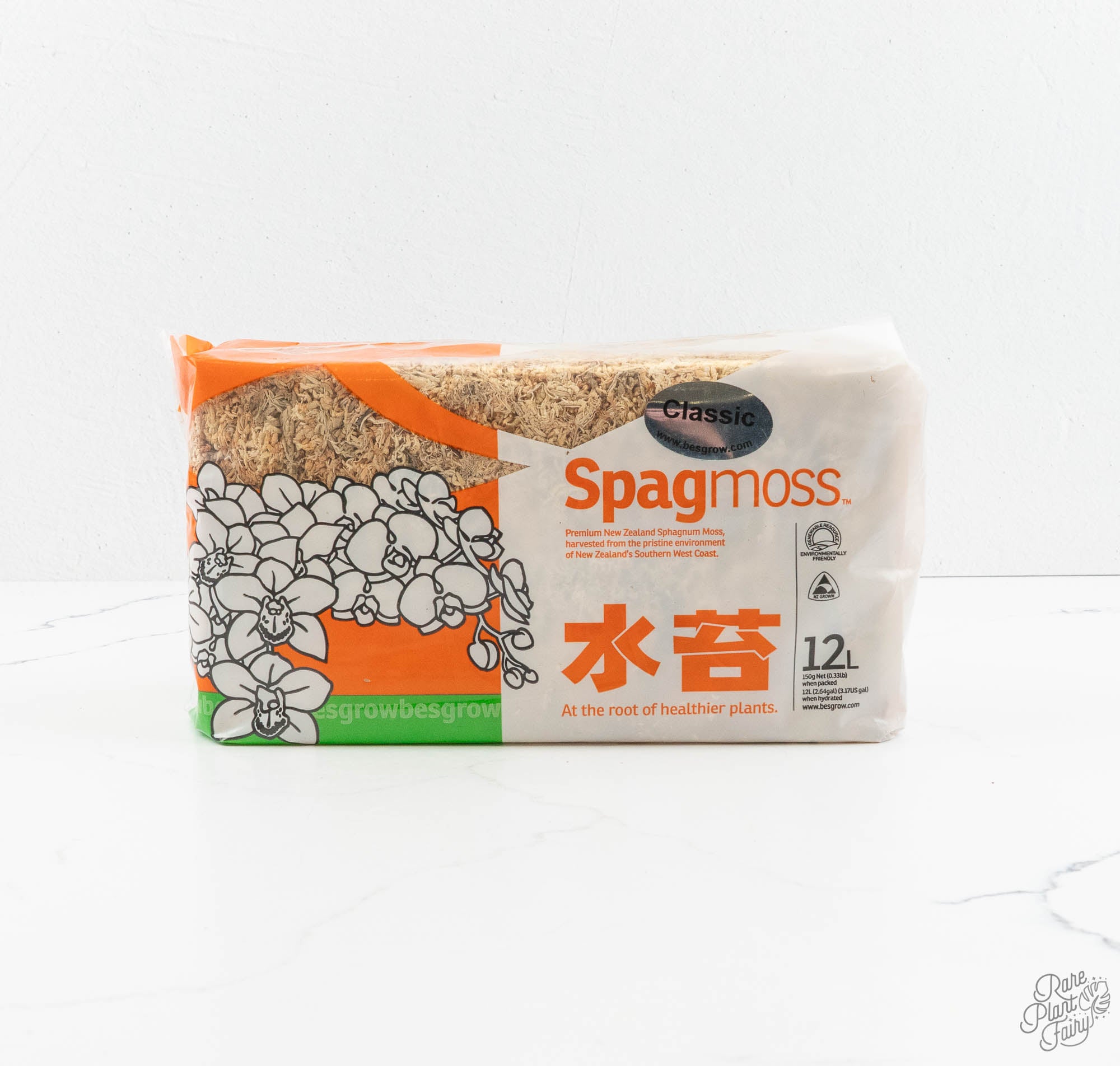
- 1 part shredded sphagnum moss
- 1 part perlite
This fine, moisture-holding blend suits small root systems. Keep it evenly moist and the humidity high.
Here are all four recipes at a glance:
| Plant group | Core recipe (by volume) | Texture |
|---|---|---|
| Monstera, Philodendron, Scindapsus | 1 potting mix or coir : 1 bark : 1 perlite or pumice | Balanced, chunky |
| Anthurium | 2 bark : 1 perlite or pumice : 1 coco chips or moss | Very airy |
| Alocasia | 2 coir or potting mix : 1 perlite : 1 pumice or fine bark | Moisture-balanced |
| Cuttings and seedlings | 1 sphagnum moss : 1 perlite | Fine, moist |
Ready-Made Aroid Soil Mix: When to Skip the DIY
Mixing your own aroid soil mix is rewarding, but it means buying several bags and finding somewhere to store them. For a handful of pots, a ready-made blend is simpler.
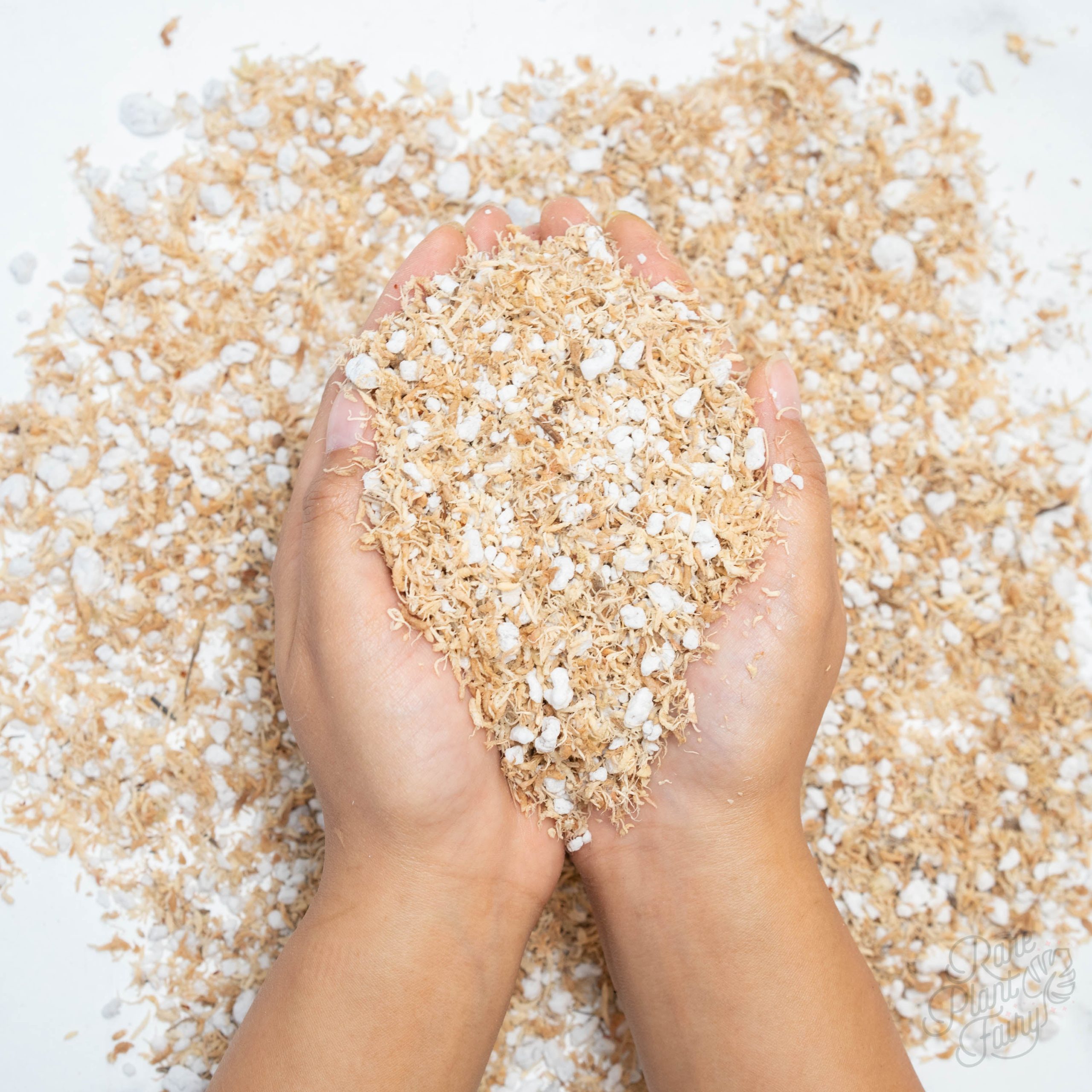
Our RPF Aroid Soil Mix is a light, airy premium potting mix made for aroids. It combines perlite, New Zealand pine bark and sphagnum peat moss with mycorrhizae, a wetting agent, and ground limestone and dolomite as pH adjusters, with a pH range of 5.0 to 7.0. If you want feeding built in, the Boosted Aroid Soil Mix adds a 14-4-14 time-release fertilizer. For cuttings, tissue culture acclimation and pots up to 6 inches, the RPF Moss-Perlite Mix is a ready-blended fine option.
- DIY blend: full control over the ratio and often cheaper in bulk, but you need storage space and time to mix.
- Ready-made blend: convenient and consistent, ideal for a few pots, but less flexible if you want a custom ratio.
Browse the full range in our Soil and Moss Substrates collection.
How to Mix and Repot Step by Step
- Gather your ingredients and a large tub. A bucket or storage bin makes mixing easy.
- Pre-moisten dry ingredients. Peat, coir and moss are hard to rewet once potted, and dampening them also reduces dust. Wear a mask when handling dry perlite.
- Mix thoroughly. Combine the parts by volume until the blend looks even.
- Remove the plant and loosen old mix. Shake off the old mix gently and trim any mushy, brown roots.
- Add a layer of fresh mix. Position the plant at the same depth it grew before.
- Fill around the roots. Tap the pot gently to settle the mix rather than packing it down.
- Water thoroughly. Let the excess drain fully from the pot.
- Rest the plant. Keep it out of harsh direct sun for a few days while it settles.
Spring and summer, when plants are actively growing, are the best times to repot.
Choosing Pots and Drainage for Aroids
Your pot and your aroid soil mix work as a team. Always use a pot with drainage holes. Pick a pot only an inch or two wider than the root ball, since a much larger pot holds extra wet mix that takes a long time to dry.
Terracotta breathes and dries faster, which suits plants prone to overwatering. Plastic holds moisture longer, which suits thirsty plants or drier homes. Pair a chunkier mix with plastic and a finer mix with terracotta to even things out. Explore our Pots and Planters to find the right match.
Special Care for Rare and Variegated Aroids
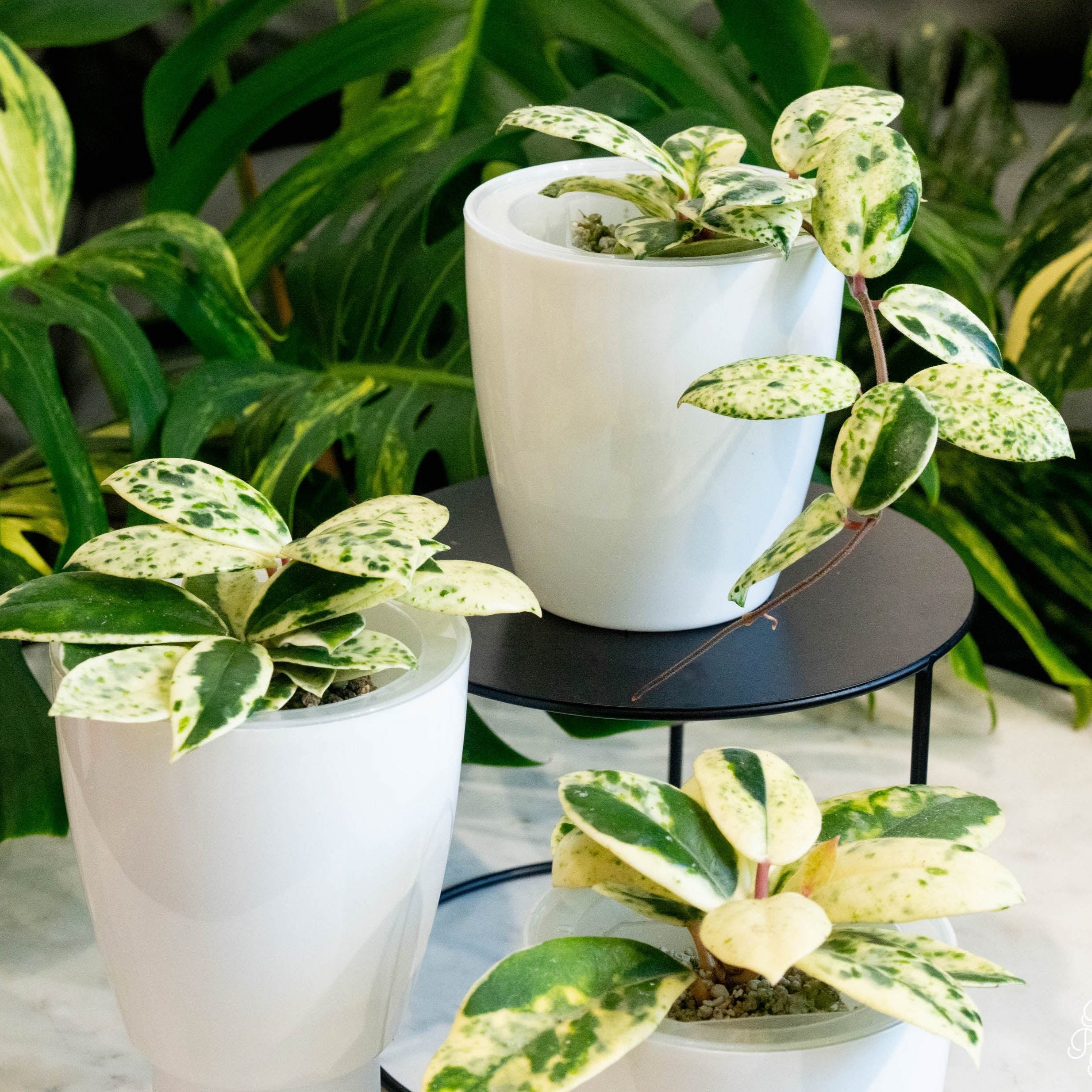
Rare and variegated aroids are often slower growers with less chlorophyll, which makes them more sensitive to wet roots. Give them a slightly airier blend than a common green plant would need, and pot them into a container only a little larger than the root ball.
Repot them only when necessary, since each disturbance sets growth back. When you do, handle the roots gently, use clean tools and start with fresh mix rather than reusing old material.
Feeding Plants in a Bark-Based Mix
Chunky mixes drain well, but they hold few nutrients, so plants rely more on you for food than they would in rich potting soil. Feed during the growing season with a balanced liquid fertilizer at a diluted strength, or mix a time-release fertilizer into the blend.
Our Boosted Aroid Soil Mix includes a 14-4-14 time-release fertilizer, which is one way to build feeding in from the start. Whichever method you choose, follow the label and err on the side of too little. Every few months, flush the pot with plain water to wash out built-up salts, which fertilizers and coco coir can leave behind. Pause feeding in winter or whenever growth slows.
Watering Plants in a Chunky Mix
A chunky blend dries faster than dense soil, so your watering rhythm changes. Water thoroughly until it runs freely from the drainage holes, then wait until the top inch or two feels dry before watering again.
- Check with your finger or lift the pot. A dry pot feels noticeably lighter.
- Avoid frequent small sips. They wet only the surface and encourage shallow roots.
- Use room-temperature water. Cold water can shock roots.
- Adjust with the seasons. Plants drink less in winter and more in summer.
If the pot dries too fast, add a little coir or moss to your next batch rather than watering more often.
Storing Leftover Mix
Mix a big batch and you will have leftovers. Store dry ingredients and finished blends in a lidded bin in a cool, dry place. Damp mix sealed in a container can grow mold and attract pests, so keep it dry and add water just before use. Label the bin with your recipe so you can repeat what works, and adjust the ratio next time based on how your plants responded.
Signs Your Mix Is Wrong
The mix is too dense or wet
- Soil stays damp for well over a week
- Yellowing lower leaves and drooping despite moist soil
- Fungus gnats hovering around the pot
- A sour smell or mushy, brown roots
The mix is too open or dry
- The pot dries out within two or three days
- Wilting, crispy leaf edges or stalled growth
- Roots growing out of the drainage holes looking for water
Do not panic if you spot one of these signs. The fix is usually to repot into a mix with more bark and perlite for the first problem, or more coir and moss for the second. Light plays a part too, because brighter light dries the mix faster. Our guide to the best grow lights for rare houseplants covers how to balance the two.
Common Aroid Soil Mix Mistakes
- Using straight potting soil. It is too dense for most aroids and holds too much water.
- Using fine sand or garden soil. Both compact and choke roots.
- Skipping the pre-wetting. Dry peat and coir repel water and leave dry pockets.
- Going too chunky for your habits. A very open mix needs regular watering, so adjust it to your routine.
- Repotting into a huge pot. Extra mix stays wet for too long.
- Never refreshing the mix. Organic components break down over time and lose their structure.
Aroid Soil Mix: Frequently Asked Questions
Can I use regular potting soil for aroids?
You can use it as one ingredient, but not on its own. Mix it with bark and perlite or pumice to open it up.
Do I need charcoal in my mix?
No. Charcoal adds a little extra air space, but the benefits are modest, so treat it as optional.
How often should I repot aroids?
Most aroids need fresh mix every one to two years, or sooner if roots fill the pot or the mix has broken down.
Can I reuse old mix?
It is best not to. Old mix loses structure and may carry pests or pathogens. If you must, refresh it with plenty of new bark and perlite.
What is the best pH for an aroid soil mix?
Slightly acidic to neutral, roughly 5.5 to 6.5, suits most aroids.
Is bark or coco chips better?
Bark gives more air and drains faster, while coco chips hold more moisture. Many growers use both.
Final Thoughts: Build the Best Aroid Soil Mix for Your Plants
A great aroid soil mix comes down to balance: enough structure and air for the roots, enough moisture to keep them drinking, and a ratio tuned to your plant, pot and home. Start with one of the four recipes above, watch how your plants respond, and adjust a little at a time.
Ready to pot up? Shop our Soil and Moss Substrates collection for ready-made aroid soil mix, and browse our aroid plants to find your next favorite.