Blog
Choosing the Right Pot for Every Type of Houseplant

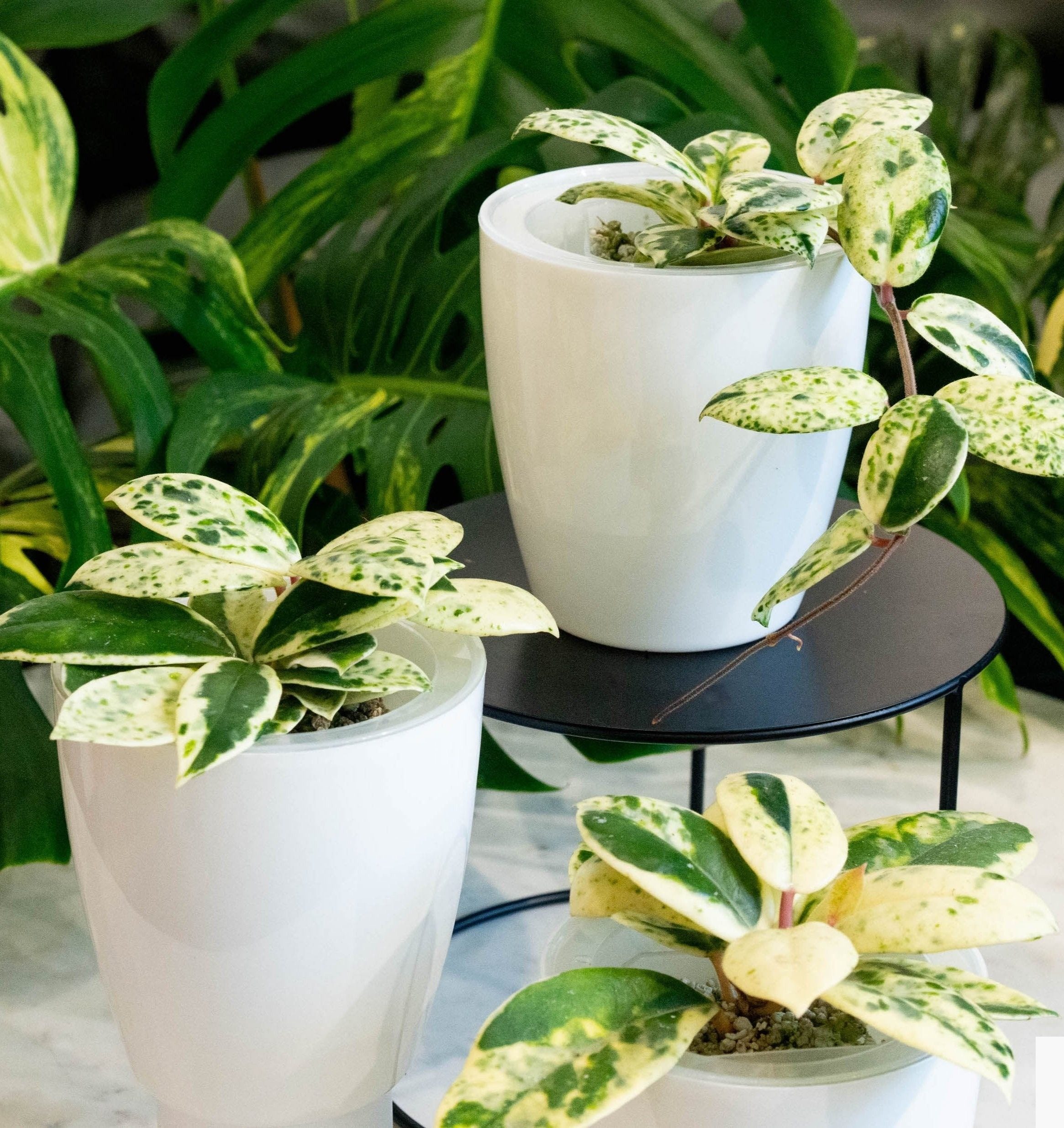
The best pots for houseplants do three things well: they drain, they fit the root ball, and they suit the way you water. Everything else, from color to finish, is secondary. Yet pot choice is one of the most overlooked parts of plant care, and a pretty pot with no drainage hole, or with far too much room around the roots, is among the most common causes of root rot.
This guide shows you how to match a pot to a plant by material, size and plant type, with specific advice for the rare aroids and tropicals in your collection. By the end you will know exactly what to look for and what to skip.
The 10-second answer
Choose a pot with drainage holes, one to two inches wider than the root ball, in a material that matches your watering habits: terracotta if you tend to overwater, plastic or glazed ceramic if you tend to underwater.
Jump to: The 5-Question Pot Test | Best Pots for Houseplants by Material | How to Size the Best Pots for Houseplants | Best Pots for Houseplants by Plant Type | Pot Shape, Depth and Style | Self-Watering Pots: Are They Worth It? | Drainage and the Double-Pot Method | Signs It Is Time to Repot Into a New Pot | Pot Myths, Busted | How to Repot Into the Best Pots for Houseplants | The Bottom Line on the Best Pots for Houseplants
The 5-Question Pot Test
Run any pot through these five questions before you buy or repot, and you will narrow down the best pots for houseplants in your own collection quickly.
1. Does it have drainage holes?
Without drainage, water pools at the bottom and roots rot. A pot with no holes only works as a decorative outer pot, covered in the double-pot section below. Many of the best pots for houseplants have several holes or slots rather than just one.
2. Is it the right size?
A pot that is too big holds extra wet mix around the roots, while one that is too small dries out fast and cramps growth. The sizing section below gives you a simple rule.
3. Does the material match how you water?
Porous pots such as terracotta dry quickly, and non-porous pots such as plastic and glazed ceramic hold moisture longer. Pick the one that corrects your habits.
4. Is it stable enough?
Tall plants and climbers on moss poles can tip a light pot. Choose a heavier pot, or add weight at the base, for anything top-heavy.
5. Does it suit your space?
Think about weight, saucers, trailing plants and decor. A pot you love looking at is a pot you will keep caring for.
Best Pots for Houseplants by Material
People have grown plants in flowerpots for centuries, and each material still behaves differently. This scorecard shows what to expect.
| Material | Dries out | Weight | Best for | Watch out for |
|---|---|---|---|---|
| Terracotta | Fast | Heavy | Overwater-prone plants, succulents, Hoya | Wicks moisture, can leave mineral marks |
| Glazed ceramic | Slow | Heavy | Statement plants, tall stable plants | Check for drainage holes, hard to move |
| Plastic | Slow | Light | Thirsty plants, aroids, beginners | Can look utilitarian |
| Self-watering planter | Very slow, reservoir fed | Light to medium | Plants that like steady moisture | Dense soil can stay too wet |
| Fabric grow bag | Very fast | Very light | Fast-draining setups | Dries quickly, plain look |
| Cachepot (no holes) | Not applicable | Varies | Hiding a nursery pot | Never plant directly in it |
Terracotta
Terracotta is porous, so water and air move through the walls and the mix dries quickly. That makes it forgiving if you overwater, and ideal for succulents, Hoya and other plants that like to dry between drinks. In very dry homes, or for thirsty plants, it can dry out too fast. New terracotta also pulls water from fresh mix, so soak a new pot in water before planting.
Glazed ceramic
Glazed ceramic looks beautiful and holds moisture longer than terracotta, which suits moderate waterers. It is also heavy, so it steadies tall plants. Always check for drainage holes, since many decorative ceramic pots have none and work only as cachepots.
Plastic
Plastic is light, inexpensive and holds moisture well, which makes it a reliable choice for aroids and moisture lovers. A transparent plastic pot lets you check root health without disturbing the plant, a real advantage with rare specimens.
Self-watering and grow bags
Self-watering planters keep moisture steady, while fabric grow bags drain and dry very quickly. They sit at opposite ends of the spectrum, so match each to the plant and your routine.
If you tend to overwater, reach for terracotta. If you forget to water, choose plastic or glazed ceramic. If you are unsure, a plastic nursery pot placed inside a decorative cachepot gives you good drainage and a polished look.
How to Size the Best Pots for Houseplants
The pot size rule
New pot diameter = root ball diameter + 1 to 2 inches
When sizing the best pots for houseplants, use one inch of extra width for small plants and up to two inches for larger ones. Going bigger than that leaves a large volume of mix that stays wet long after the roots have finished drinking.
| Current pot | Move up to |
|---|---|
| 3 inch | 4 inch |
| 4 inch | 5 to 6 inch |
| 6 inch | 7 to 8 inch |
| 8 inch | 9 to 10 inch |
Depth matters too. Shallow-rooted plants and succulents suit wide, shallow pots, while plants with long roots need more depth. Many plants, Hoya in particular, are happy slightly snug, so do not rush to upsize. As a benchmark, a 7.5 inch pot holds about 3 quarts of mix, a comfortable size for many medium plants.
Browse sizes and styles in our Pots & Supplies collection.
Best Pots for Houseplants by Plant Type
Different plants have different roots, so the best pots for houseplants change from one group to the next.
Anthurium
Anthurium roots are thick and want air, so choose a snug plastic or terracotta pot with plenty of holes. Pair it with a chunky mix, as in our aroid soil mix guide. See the Anthurium collection.
Philodendron and Monstera
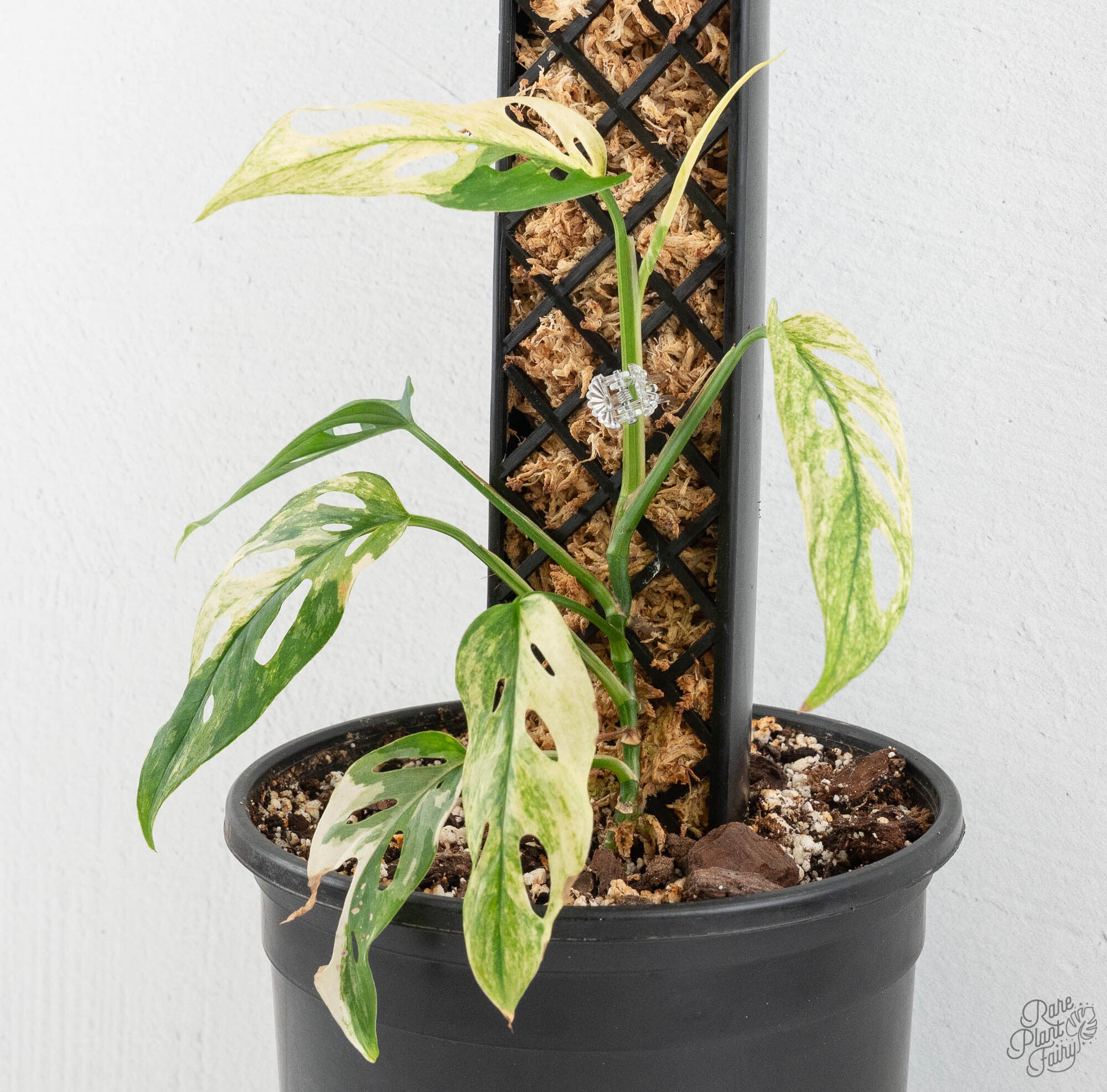
Climbers are top-heavy, so use a heavy terracotta or glazed ceramic pot, and place a moss pole at planting time. Our Philodendron collection and Monstera collection include many climbing types.
Alocasia
Alocasia like even moisture but hate soggy corms. Plastic or glazed pots with good drainage work well, and a pot only slightly larger than the root ball helps. Explore the Alocasia collection.
Hoya
Hoya prefer to be snug and slightly dry between waterings, so a small terracotta or plastic pot with a chunky mix suits them. Browse the Hoya collection.
Scindapsus and Epipremnum
These trailing plants look best in hanging pots or on shelves. Any pot with drainage works, and plastic keeps them evenly moist.
Succulents and cacti
Choose terracotta in a shallow, wide shape. It dries fast and mimics the dry conditions these plants like.
Ferns and moisture lovers
Ferns and Calathea prefer steady moisture, so plastic or self-watering pots are a good match.
Seedlings and tissue culture plantlets
Start small, in 2 to 3 inch pots or cups, and step up gradually. Newly acclimated plantlets rot easily in big pots. Our tissue culture beginners guide covers the full process.
Pot Shape, Depth and Style
The best pots for houseplants also come in different shapes, and shape changes how a pot behaves.
- Standard pots suit most plants and give roots room to grow in all directions.
- Shallow, wide pots suit succulents and shallow-rooted plants.
- Tall, deep pots suit plants with long roots and top-heavy climbers.
- Slotted or multi-hole pots give roots extra air, which many aroids love.
- Hanging planters show off trailing plants, but check the weight of a wet pot before you hang it.
- Clear pots let you monitor roots and moisture at a glance.
Style matters as well. A pot that complements your space is one you will keep using, so pick a finish you enjoy, and use a cachepot if you want a decorative look over a practical inner pot.
Self-Watering Pots: Are They Worth It?
Self-watering pots are among the best pots for houseplants for busy collectors. A self-watering pot has a reservoir in the base and a wick or similar link that feeds moisture to the roots as needed. Our Self Watering Round Plastic Planter is made from heavy-duty plastic, with a transparent inner pot, an outer pot with a bottom reservoir and a cotton wick, so you can see roots and water levels at a glance.
Where they shine
- Steady moisture for thirsty plants and busy owners
- Fewer dry-outs when you travel
- A transparent inner pot lets you check the roots
Where to be careful
- Plants that need to dry out between waterings can stay too wet
- Dense mix holds too much water, so use an airy blend
- Flush the reservoir now and then to avoid mineral build-up
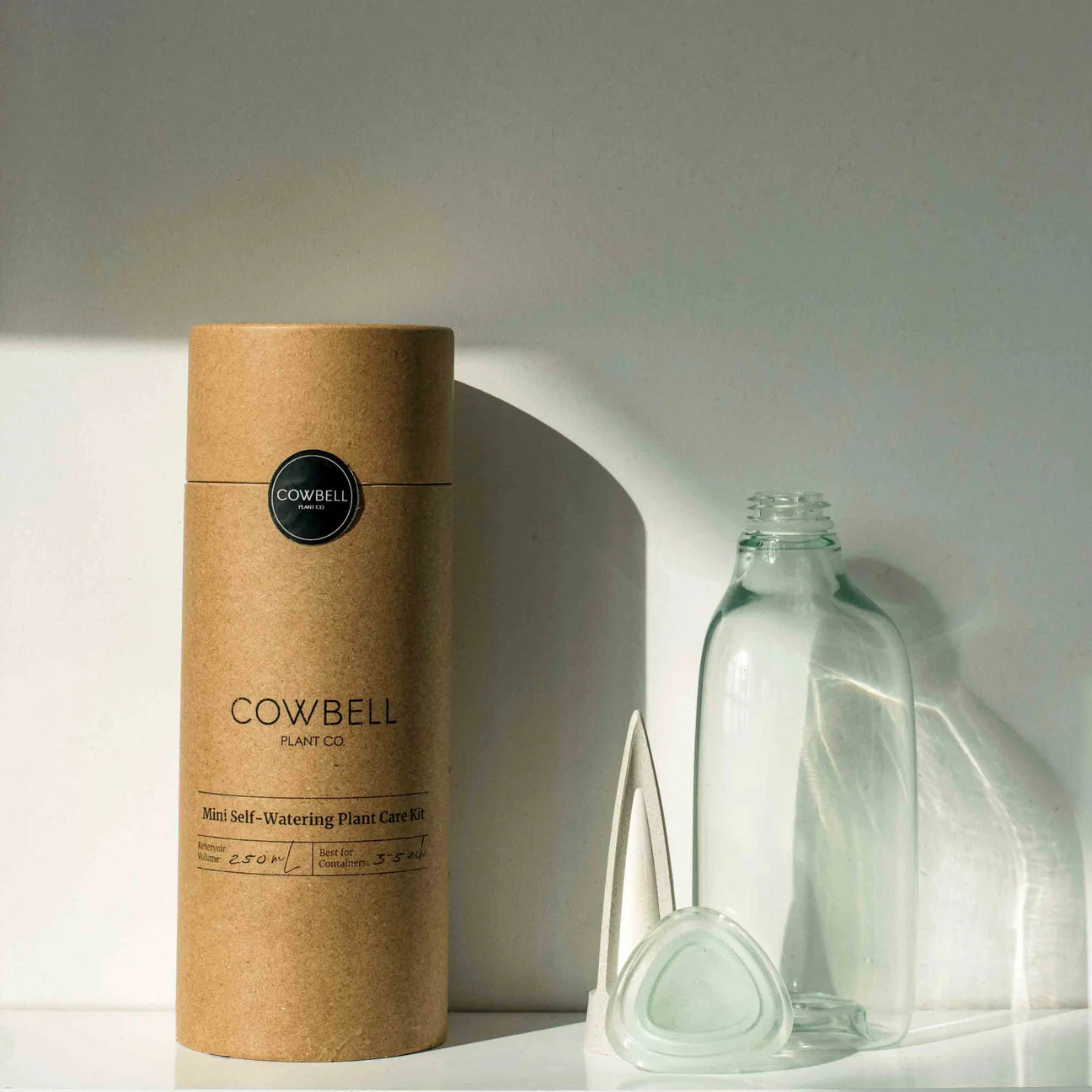
If you would rather keep your favorite pot, the Cowbell Mini Self-Watering Plant Care Kit uses a pressure-regulated reservoir with a built-in thirst sensor to water on demand. Find both in our Pots & Supplies collection.
Drainage and the Double-Pot Method
If you love a decorative pot with no holes, use it as a cachepot. Keep your plant in a plastic nursery pot with drainage, and set that pot inside the decorative one.
- Water at the sink. Lift the inner pot out, water thoroughly and let it drain fully.
- Return it only when it stops dripping. Never leave the inner pot sitting in standing water.
- Empty saucers after 15 to 30 minutes. Roots do not like to sit in water.
- Raise the inner pot slightly. A few small pebbles in the outer pot keep roots above any runoff.
This method also makes repotting easy, since you only need to swap the inner pot.
Signs It Is Time to Repot Into a New Pot
- Roots circling the inside of the pot or poking from the drainage holes
- Water running straight through without soaking in
- The plant tipping over or looking cramped
- Growth stalling in the growing season
- Mix breaking down into a dense, compacted layer
Spring and summer are the best times to repot. Choose a pot one size up, refresh the mix, and keep the plant at the same depth as before. A well-matched pot and mix, like those in our aroid soil mix guide, give roots the best start.
Pot Myths, Busted
A few persistent beliefs lead plant owners astray. The best pots for houseplants are not always the biggest or the most expensive, so check these myths against what your plants actually need.
- Myth: gravel in the bottom improves drainage. It does not. It can raise the water level near the roots. Use a pot with drainage holes and a well-draining mix instead.
- Myth: a bigger pot means a bigger plant. Extra space holds extra wet mix, which can rot roots before they fill it.
- Myth: terracotta is always best. It suits some plants and habits, but plastic works better for thirsty plants.
- Myth: self-watering pots overwater. They can if paired with dense mix, but with an airy blend they keep moisture steady.
- Myth: any pot can be reused straight away. Wash old pots with soap and water first to remove residue and pathogens.
How to Repot Into the Best Pots for Houseplants
Once you have chosen your pot, repotting is quick if you follow the steps in order.
- Prepare the pot. Wash used pots, soak new terracotta in water, and make sure the drainage holes are clear.
- Prepare the mix. Moisten it lightly and fluff it so it is loose and even.
- Add a base layer. Put fresh mix in the bottom of the pot, with no gravel.
- Ease out the plant. Loosen the roots gently and trim any mushy or dead ones.
- Set it at the same depth. Place any moss pole or support now.
- Fill around the roots. Tap the pot to settle the mix without packing it down.
- Water and drain. Water thoroughly, let it drain fully, and keep the plant out of harsh sun for a few days.
The Bottom Line on the Best Pots for Houseplants
The best pots for houseplants are simple to spot: drainage holes, a snug fit and a material that matches your watering habits. Add the right mix and you remove most of the guesswork from plant care.
Ready to pot up? Browse our Pots & Supplies collection for self-watering planters, pots and moss poles, and find the right home for every plant you own.