
Blog
Best Grow Lights for Rare Houseplants: Complete Guide (2026)

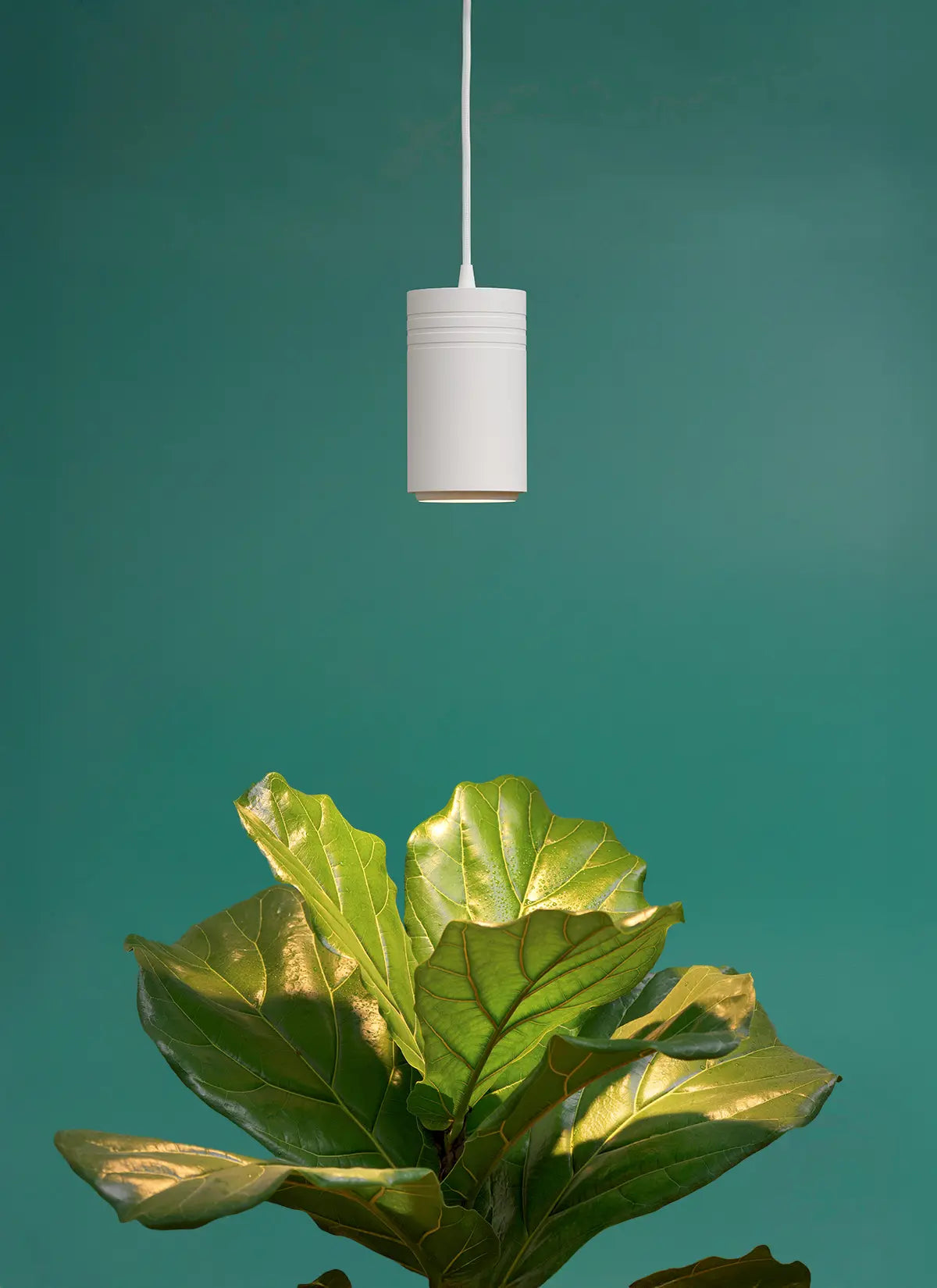
The best grow lights for rare houseplants do more than add brightness: they turn an unpredictable room into a stable growing environment. If you have ever watched a velvet-leaf Anthurium stretch toward a window in January, you already know the problem: a rare plant is only as good as the light it receives. Daylight changes with the seasons, the weather and the direction your windows face, and a north-facing room in winter can deliver only a fraction of the energy a tropical aroid evolved to expect. Choosing the best grow lights for houseplants is the most reliable way to take that variable under your control.
This guide covers everything you need to choose and use the best grow lights for rare houseplants with confidence. You will learn how plants actually measure light, how much different rare plants want, the main types of fixtures, how to pick one, how far to hang it, how long to run it, and the mistakes that cost collectors their favorite specimens. Whether you grow a single Monstera beside a living room window or a full shelf of Alocasia, Hoya and Philodendron, you will leave with a clear plan.
There is no single best light for every home. The best grow lights for rare houseplants are the ones that deliver the right amount of usable light, at the right distance, for the right number of hours, in a fixture you are happy to look at every day.
The sections below show you how to work that out.
In this guide
- Why You Need the Best Grow Lights for Rare Houseplants
- Light Basics: What Makes the Best Grow Lights for Houseplants
- How Much Light Do Rare Houseplants Need?
- Types of the Best Grow Lights for Rare Houseplants
- How to Choose the Best Grow Lights for Houseplants in Your Home
- Placing Grow Lights for Houseplants: Distance, Duration and Position
- A Worked Example: DLI and Running Cost
- Best Grow Lights for Rare Houseplants by Situation
- Acclimating Rare Plants to Your Grow Light
- Adjusting Your Grow Lights Through the Seasons
- Signs Your Plant Needs More or Less Light
- Common Mistakes When Buying Grow Lights for Houseplants
- Grow Light Setup Checklist
- Best Grow Lights for Houseplants: Frequently Asked Questions
- Final Thoughts: Choose the Best Grow Lights for Rare Houseplants with Confidence
Why You Need the Best Grow Lights for Rare Houseplants
Most of the rare plants collectors love come from tropical forests, where they grow under a canopy that filters light but delivers it for roughly twelve hours a day, all year. Indoors, three things work against them.
- Short winter days. At higher latitudes, daylight can drop below ten hours, and the low sun puts far less energy on a windowsill.
- Glass and distance. Windows filter part of the usable spectrum, and intensity falls off quickly as you move away from the glass. A spot two feet back from a window can be dramatically dimmer than the sill itself.
- Obstructions and orientation. Buildings, trees, curtains and north-facing windows all reduce what your plants receive.
The result is familiar: long, pale stems, small new leaves, faded variegation, and growth that slows to a crawl. Rare plants make the problem more costly. Variegated forms carry less chlorophyll, so they need more light to do the same work as an all-green plant. Velvet-leaf Anthuriums and jewel-toned Alocasias are slow, high-value growers that reward consistency. A good grow light turns an unpredictable windowsill into a stable, repeatable growing environment, and that consistency is the real benefit.
Light Basics: What Makes the Best Grow Lights for Houseplants
Grow light packaging is full of numbers, and some matter far more than others. Here is what to look for when comparing grow lights for houseplants.
PAR and PPFD
Photosynthetically active radiation (PAR) is the range of light, roughly 400 to 700 nanometers, that plants use for photosynthesis. PPFD, or photosynthetic photon flux density, measures how much of that light actually lands on a surface, in micromoles per square meter per second (µmol/m²/s). PPFD is the number that tells you whether your plant is getting enough light. It changes with distance, so a reputable maker publishes PPFD at several heights.
DLI
Daily light integral is the total light a plant receives across a whole day, measured in moles per square meter per day. Think of PPFD as how hard the tap is running and DLI as how much water is in the bucket by evening. You can estimate it with a simple formula:
The DLI formula
PPFD × hours of light × 0.0036 = DLI
Spectrum
Plants use mostly red and blue light, which is why early grow lights glowed pink-purple. Modern full-spectrum white LEDs cover the whole range and show your plant's true colors, so you can spot pests or nutrient problems at a glance. For living spaces, full-spectrum white is almost always the better choice.
Color temperature and CRI
Kelvin (K) describes how warm or cool the light looks. Around 3000K looks warm and golden, while 5000 to 6500K looks like bright daylight. Most foliage plants do well anywhere in that range, so choose by how it looks in your room. A color rendering index (CRI) of 90 or higher gives the most natural look.
Lumens
Lumens measure brightness as the human eye perceives it, which favors green and yellow light. They are a poor guide for plants, because two fixtures with the same lumen rating can deliver very different PPFD. Treat lumens as a rough sanity check only.
Wattage
Watts tell you how much electricity a light uses, not how much light your plant gets. Efficient LEDs produce more usable light per watt, so compare PPFD rather than wattage.
| Term | What it measures | Why it matters |
|---|---|---|
| PPFD | Light reaching the plant right now | Best indicator of intensity |
| DLI | Total light over a day | Combines intensity and duration |
| Spectrum | Wavelengths in the light | Full-spectrum white suits most homes |
| Kelvin / CRI | Color appearance | Affects looks, not growth |
| Lumens | Brightness to human eyes | A weak guide for plants |
| Watts | Power draw | Affects running cost, not plant light |
How Much Light Do Rare Houseplants Need?
Light needs vary, so group your collection by demand. The ranges below are practical starting points rather than strict rules. Species, cultivars and how well a plant has acclimated all change the picture, so adjust based on what you see.
| Light level | Typical PPFD at leaf level | Approx. DLI | Example plants |
|---|---|---|---|
| Low | 50–100 | 2–4 | ZZ plant, Sansevieria, some Epipremnum |
| Medium | 100–250 | 4–11 | Philodendron, Monstera, Anthurium, Alocasia, Scindapsus, Syngonium |
| High | 250–400 | 11–17 | Variegated Monstera, Hoya, cacti and succulents, flowering plants |
A few rules of thumb help when you are placing individual plants:
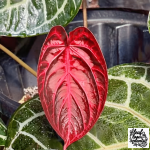
- Velvet-leaf Anthuriums such as crystallinum and warocqueanum sit in the medium range. Humidity matters as much as light for them, and too much intensity bleaches the velvet. Explore our Anthurium collection for more.
- Alocasia and Philodendron do best at medium to medium-high light. See our Alocasia collection and Philodendron collection.
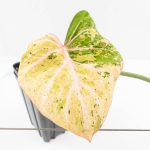
- Variegated plants belong at the upper end of their range, because white and cream tissue contributes little to photosynthesis. Our Monstera collection includes several variegated forms.
- Hoyas reward brighter light with better color and more blooms. Browse the Hoya collection.
- New tissue culture plantlets and fresh cuttings do best under gentler light at first. Ramp intensity up gradually over a couple of weeks.
Types of the Best Grow Lights for Rare Houseplants
The market offers many shapes of fixture. Matching the shape to your space matters more than any single spec.
| Type | Best for | Strengths | Trade-offs |
|---|---|---|---|
| LED bulbs in lamps | One or two plants | Cheap, fit standard sockets | Small coverage area |
| LED panels | Tables and clusters | Even, wide coverage | Can look utilitarian |
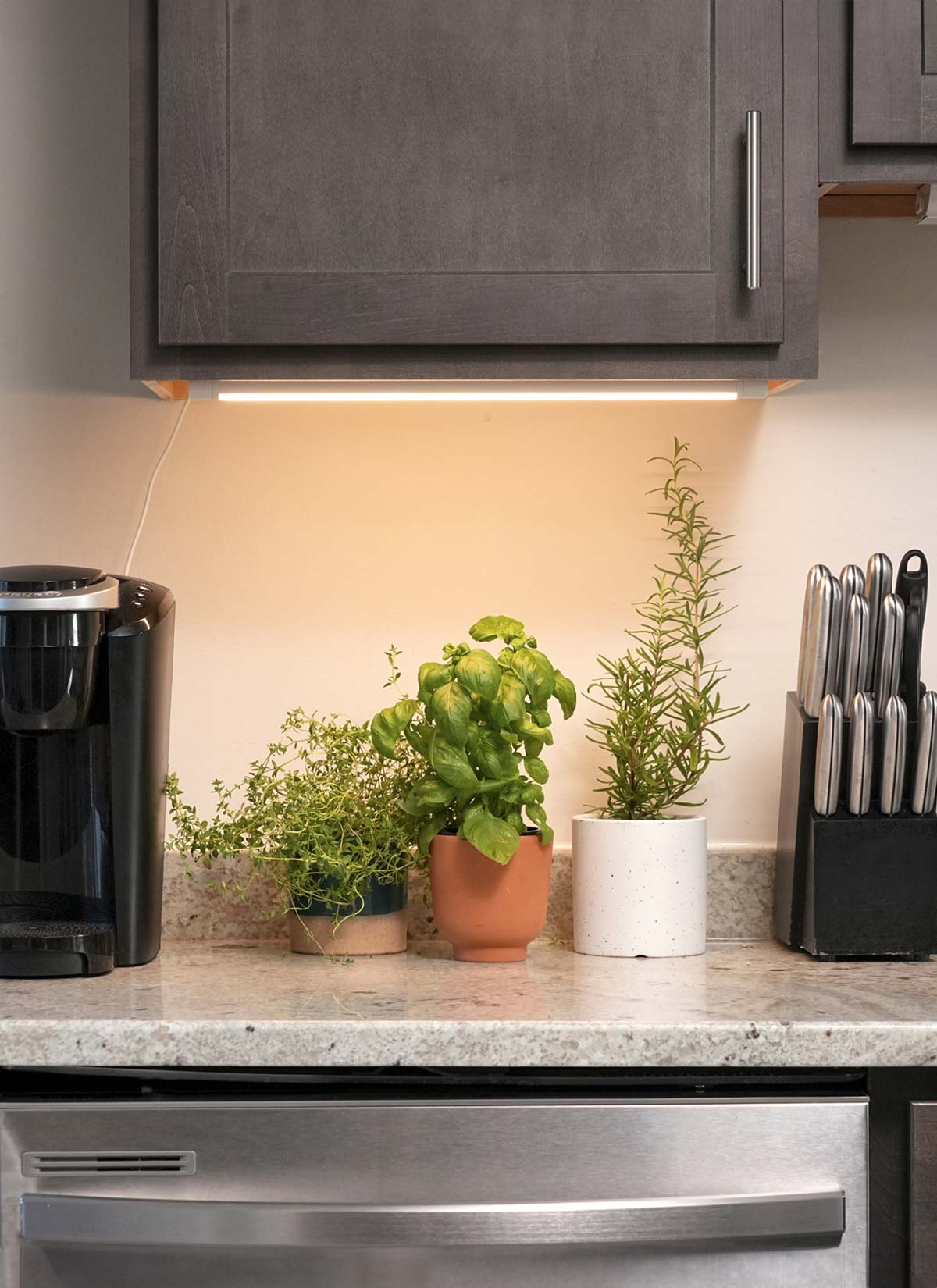
| Linear bars and strips | Shelves and racks | Even light, easy to mount | Need mounting space |
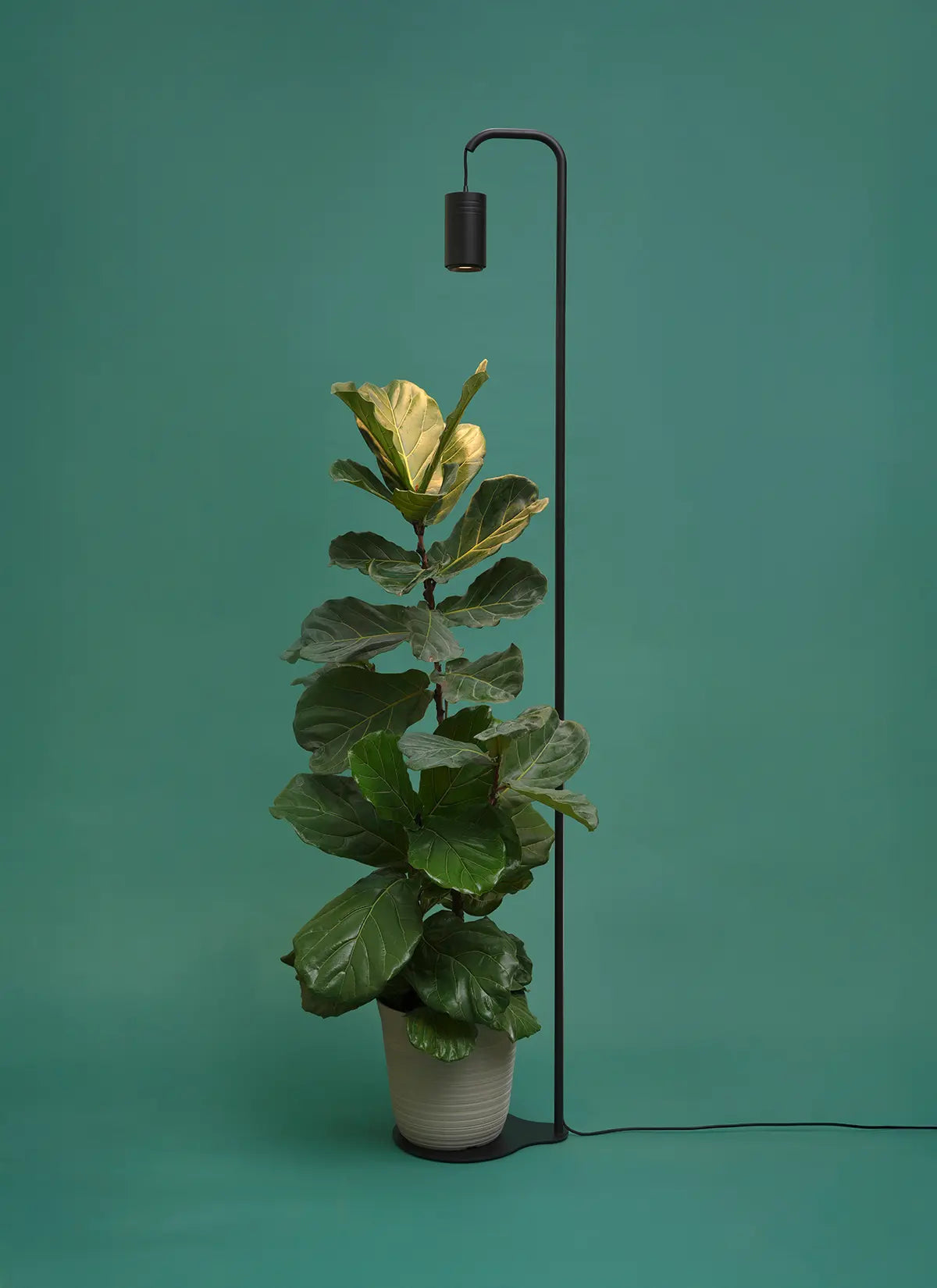
| Floor lamps | Large statement plants | Look like furniture, no mounting | Cover one zone |
| Pendant fixtures | Plant clusters over a surface | Stylish, frees floor space | Need a ceiling hook or stand |
| Clip-on spotlights | Single plants, supplementing | Flexible and portable | Limited power |
| T5 fluorescent | Budget shelves | Low cost, diffuse light | Bulkier, mostly replaced by LED |
When shopping for the best grow lights for rare houseplants, full-spectrum LED is the right technology for most collectors. It runs cool, uses little electricity, lasts for years and gives you the clearest published specs. If you want fixtures that look at home in a living room rather than a grow tent, our Soltech Grow Lights Collection is a good place to start.
How to Choose the Best Grow Lights for Houseplants in Your Home
Work through this checklist to find the best grow lights for rare houseplants in your collection.
- Count your plants and measure the space. One statement plant and a six-plant shelf need very different fixtures.
- Check the published PPFD. Look for values at specific heights, not vague claims. If a seller lists only lumens or wattage, be cautious.
- Choose full-spectrum white. It is easier on the eyes, shows true leaf color and covers every wavelength your plants use.
- Match the fixture to your layout. Bars for shelves, floor lamps for corners, pendants for tables.
- Look for dimming and timer compatibility. Adjustable intensity lets you tune light as plants acclimate, and a timer keeps the schedule consistent.
- Consider heat and safety. LEDs run cool, but check ratings, especially in humid spaces.
- Think about appearance. A light you dislike looking at ends up switched off or hidden away.
- Check build quality and warranty. Well-built fixtures keep their output for years.
If appearance matters as much as performance, the fixtures in our Soltech Grow Lights Collection are designed to sit in a room without drawing attention to themselves.
Placing Grow Lights for Houseplants: Distance, Duration and Position
Distance
Intensity falls quickly as you move a light away from the plant. Many LED fixtures work well somewhere between 12 and 24 inches above the foliage, but powerful fixtures need more space and gentler ones less. Start with the manufacturer's recommendation, then watch your plants for two weeks and adjust.
Duration
Most tropical foliage plants thrive on 10 to 14 hours of light per day, and 12 is a solid default. Plants also need a dark period to rest, so never run lights around the clock. A plug-in timer makes the schedule effortless and consistent.
Placement
Position lights overhead and centered over the plants, since that mimics the sun and keeps growth even. Rotate plants every week or so to prevent leaning. Light from a window and from a grow light adds together, so a plant near a bright window may need less artificial light. Reflective white walls bounce extra light back onto your plants.
Safety
If you run humidifiers or mist plants near your lights, keep plugs, timers and power strips off wet surfaces and away from spray, and use fixtures rated for humid environments.
A Worked Example: DLI and Running Cost
Suppose your light delivers 150 PPFD at leaf level and runs for 12 hours. Using the formula from earlier, the math looks like this:
Example 1: medium-light plant
150 × 12 × 0.0036 = 6.48 mol/m²/day
That sits comfortably in the medium range, perfect for many Philodendron, Monstera and Anthurium. To reach a DLI of about 8.6 for a hungrier plant, lower the fixture until PPFD reaches 200 and keep the same 12 hours:
Example 2: hungrier plant
200 × 12 × 0.0036 = 8.64 mol/m²/day
Running costs are modest. A 30-watt LED running 12 hours a day uses 0.36 kWh daily, or about 10.8 kWh a month. At $0.20 per kWh, that is roughly $2.16 a month. Your local rate will differ, but efficient LED lighting is one of the cheapest ways to improve a collection.
Monthly running cost
30 W × 12 h = 0.36 kWh/day × 30 days = 10.8 kWh × $0.20 = about $2.16
Best Grow Lights for Rare Houseplants by Situation
The best grow lights for rare houseplants depend on your space, so match the setup to your situation.
- A shelf or rack of plants: Linear bars mounted under each shelf give even coverage at consistent distance.
- A single statement plant: A floor lamp or pendant over a large Monstera or Philodendron adds light without any installation.
- A cluster over a table or console: A pendant or panel centered above the group keeps every plant in range.
- A living room display: Choose designer fixtures with warm-to-neutral color temperature and high CRI. Our Soltech Grow Lights Collection is built with this use in mind.
- Propagation and tissue culture acclimation: Use a dimmable fixture at lower intensity, then increase it as the plantlets harden off.
- A winter window supplement: Keep your bright window as the main source and add a fixture to extend the day and fill the gaps.
Whatever you choose, buy for the plants you plan to own, not just the ones you own today. Collections grow quickly, and a fixture with a little headroom saves you from buying twice. When you are ready to expand, browse our rare plants for your next addition.
Acclimating Rare Plants to Your Grow Light
Rare plants are often grown in a nursery or tissue culture lab at carefully controlled light levels, so a sudden jump to a much stronger light can stress them. Whether you are adding the best grow lights for rare houseplants to an existing collection or bringing home a brand-new plant, ease it in over about three weeks.
- Week one: Start with the light farther away, or dimmed if your fixture allows, and run it for 8 to 10 hours.
- Week two: Lower the fixture a little or raise the intensity, and extend the schedule toward 12 hours.
- Week three onward: Settle on the distance and schedule that give compact growth and steady new leaves, then keep it consistent.
Watch new growth more than old leaves. Older leaves formed under earlier conditions and may yellow or drop as the plant adjusts, while healthy new leaves are the sign you have it right. If you see bleaching or scorched patches at any point, raise the light and try again more gradually.
Adjusting Your Grow Lights Through the Seasons
Natural light changes across the year, so the best setup changes with it. In winter, when days are short and the sun sits low, your grow lights do most of the work, and plants near windows lose the most. In summer, bright windows may deliver enough on their own, so you can shorten the schedule or dim the fixture.
Spring and autumn are transition seasons. Review your plants every few weeks and adjust the duration rather than moving the light. If you use a timer, a small tweak of an hour or two is usually all you need. Keep short notes on what you change and how your plants respond. Over a year, those notes become a personal guide to the light in your own home.
Signs Your Plant Needs More or Less Light
Even the best grow lights for rare houseplants need tuning, and your plants will tell you whether the light is right, so check them regularly.
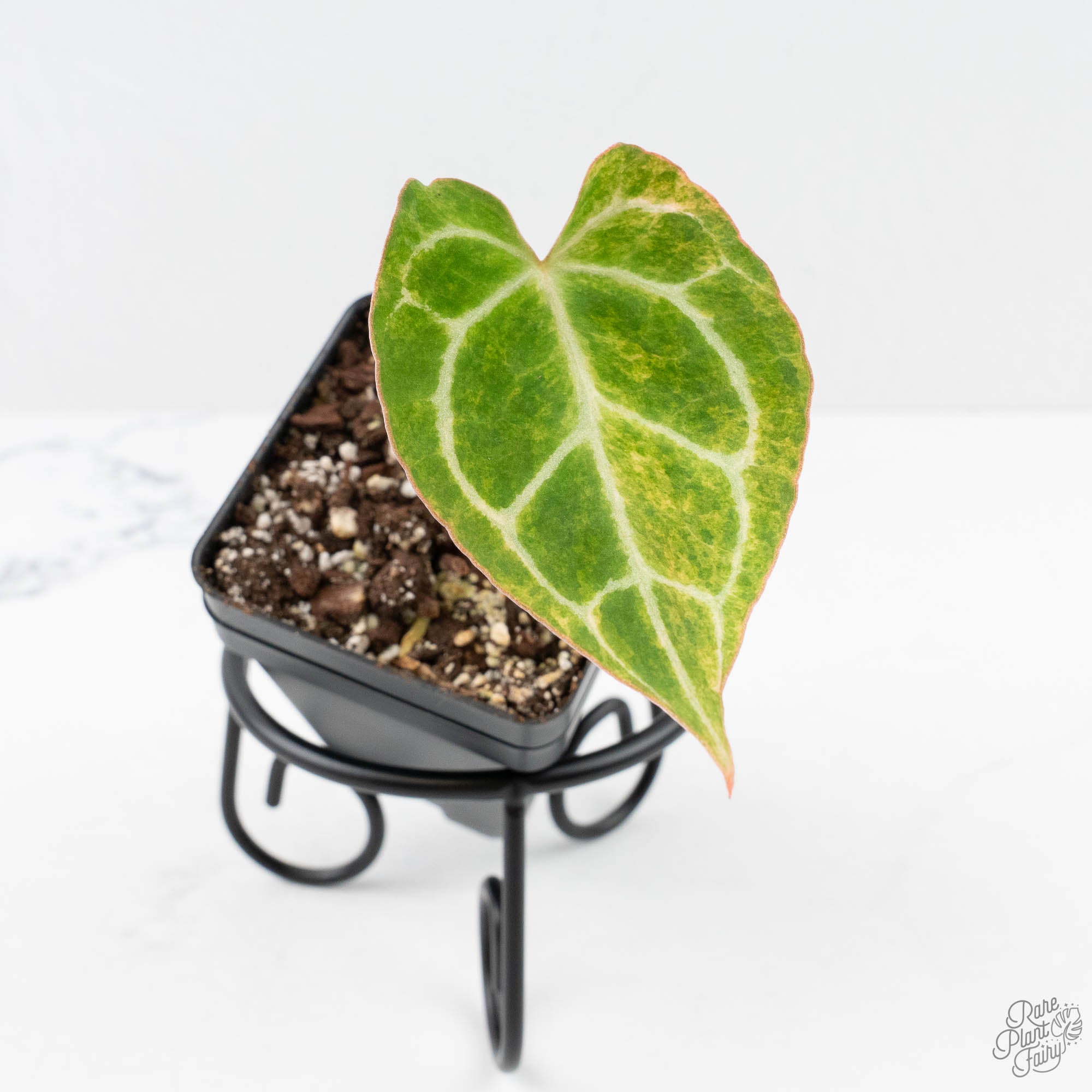
Too little light
- Long, stretched stems with wide gaps between leaves
- Small new leaves and slow growth
- Pale or washed-out color and fading variegation
- Lower leaves yellowing and dropping
- Soil staying wet much longer than usual
Too much light
- Bleached or crispy patches on leaves facing the light
- Brown scorch marks or curling edges
- Leaves taking on a stressed reddish or yellow cast
- Soil drying out unusually fast
Heat, low humidity and underwatering can mimic light burn, so change one thing at a time and give the plant about two weeks before judging the result.
Common Mistakes When Buying Grow Lights for Houseplants
These are the errors that most often stop the best grow lights for rare houseplants from performing.
- Buying by wattage or lumens. Neither tells you how much usable light reaches the plant. Compare PPFD instead.
- Hanging the light too far away. A powerful light placed too high delivers little at leaf level.
- Skipping the timer. Inconsistent schedules stress plants and are easy to avoid.
- Jumping from dim to bright overnight. Increase intensity gradually, especially with new or recently acclimated plants.
- Ignoring humidity and watering. Stronger light increases water use, so plants under bright lights need more attention to humidity and moisture.
- Expecting light to fix everything. Poor soil, pests and overwatering will not disappear under a better fixture.
- Choosing cheap pink-purple lights with no specs. If you cannot find a PPFD chart, you are guessing.
Grow Light Setup Checklist
Before you switch everything on, run through this quick list.
- Confirm the published PPFD suits the plants you are lighting.
- Mount the fixture at the manufacturer's recommended distance.
- Plug the light into a timer set to about 12 hours.
- Place plants within the area the light actually covers.
- Check humidity and watering, since stronger light increases water use.
- Review the plants after two weeks.
- Adjust one thing at a time, then wait and watch.
Best Grow Lights for Houseplants: Frequently Asked Questions
Can I use regular LED bulbs as grow lights?
Yes, if they are neutral to cool white (about 5000 to 6500K) and bright enough. Standard bulbs rarely publish PPFD, so you will be guessing, which is why dedicated grow lights are the better choice for rare plants.
Do I still need a grow light if I have a bright window?
Often yes in winter or for plants set back from the glass. A light that supplements the window is the most flexible option.
Can plants stay under lights all day?
No. Plants need a dark period, so aim for 10 to 14 hours of light and use a timer.
Will grow lights make my electric bill jump?
Rarely. As the example above shows, a typical 30-watt LED costs only a couple of dollars a month at average rates.
How do I know if the distance is right?
Start with the manufacturer's guidance, then watch your plants for two weeks. Compact growth and steady new leaves mean you are in the right range.
Final Thoughts: Choose the Best Grow Lights for Rare Houseplants with Confidence
The best grow lights for rare houseplants come down to a few clear decisions: published PPFD that matches your plants, a full-spectrum white spectrum, a fixture shape that suits your space, and a timer to keep the routine steady. Get those right, and light stops being a guessing game and becomes the reason your rare collection grows bigger, greener and more beautifully colored every season.
Ready to light your collection? Explore our Soltech Grow Lights Collection to find the best grow lights for rare houseplants, fixtures that perform and look beautiful, then browse our rare plants to find your next favorite specimen.


wow